24/7 Emergency Support - Call Now

24/7 Emergency Support - Call Now
Strategic roof restoration systems designed to extend performance without full replacement disruption.
Properties do not always require an expensive roof replacement. If the existing roof is still operable, free of widespread saturation and systemic separation, and stable, a roof coating may be the right choice. Roof coatings create a new wear layer on the roof surface, sealing pinholes and protecting the existing material. They can also improve the building’s energy efficiency.
Roof coatings can extend the lifespan of the roof system and delay capital replacement. This is especially relevant on commercial roofs facing UV radiation, weather exposure, and routine rooftop activity.
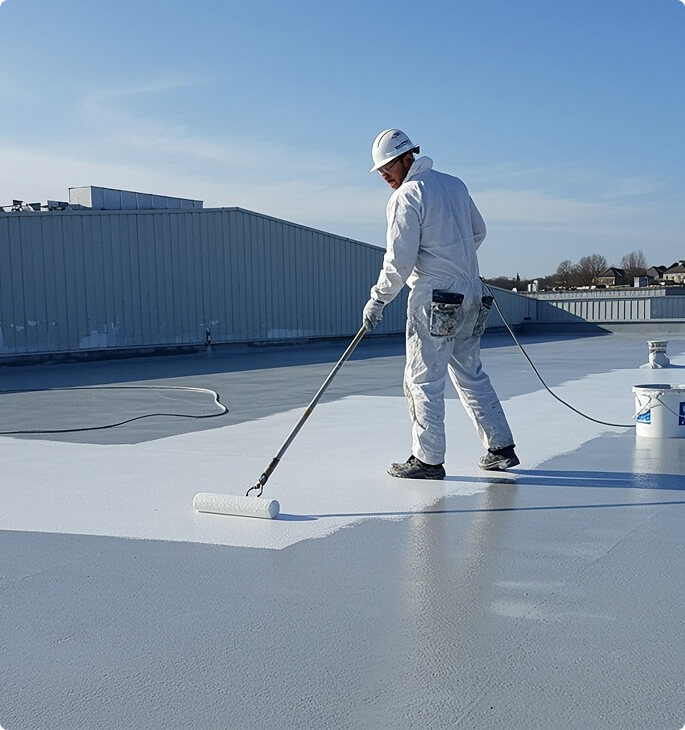

What We Offer
Champion installs various commercial roof coatings across common commercial roofs: flat roof assemblies, modified bitumen, select single-ply membranes, and many metal roof profiles. Our process starts with a full roof inspection, drainage evaluation, and adhesion testing according to manufacturing standards. We ensure the coating selection and installation align with neighboring systems, backed by NDL warranty protection.
Acrylic roof coatings are commonly used on commercial roofs where reflectivity and cost control matter. They perform best over stable substrates, including certain metal roof systems and modified bitumen assemblies. Proper drainage is critical, especially for roofs considering water ponding damage.
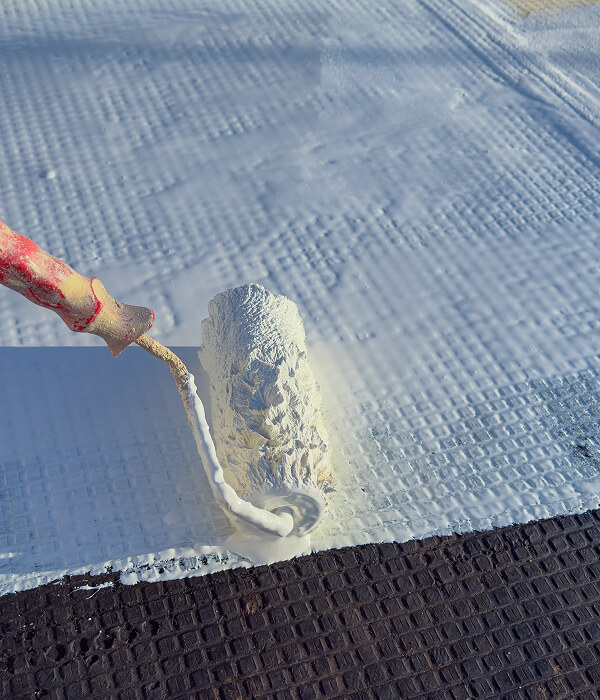
Silicone elastomeric roof coatings are a great fit for commercial roofs that experience intermittent ponding water, as silicone is highly water-resistant. These systems provide strong UV resistance and long-term weather protection for properties facing harsh weather conditions. Like all roof coatings, surface preparation and adhesion testing are critical to ensure reliable performance across aging flat roof assemblies.

Urethane roof coatings are a strong coating selection for properties prioritizing durability and impact resistance. These systems provide reliable support around rooftop equipment, service paths, and high-traffic areas. When applied over properly prepared commercial roofs, urethane coatings provide a tough protective layer suited for demanding operational environments.
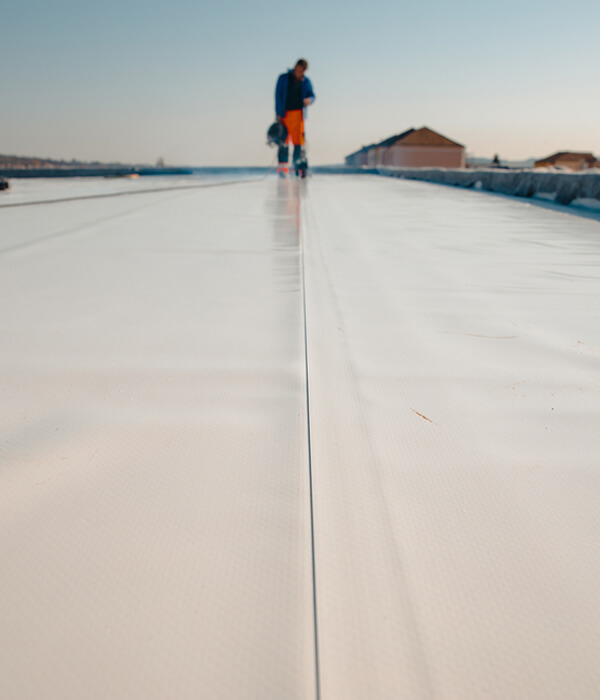
A full roof replacement is not only expensive but disruptive, involving tear-off, staging, disposal, and downtime. If the existing roof deck is strong, coatings can extend its lifespan and delay costly roof replacement when the structure is still sound.

For many commercial roofs, coatings are a cost-effective way to restore performance without the price tag of roof replacement. Coupled with less demolition, material volume, and mess, the process is simple and often faster than repair or replacement. Coatings don’t fix issues like rot, saturated insulation, or failing structure, so it’s imperative to perform a full inspection before installation to prevent high future maintenance costs.

Reflective roof coatings can improve energy efficiency. Their reflective nature helps reduce heat gain at the roof surface. This quality can support measurable energy savings depending on building conditions, such as direct sun and limited shading.

Coatings are installed on top of the existing roof without removing old materials. The installation process grants less debris, more consistency, and requires less machinery. For occupied commercial buildings, this is a serious consideration following weather-related damage when operations cannot stop.

Roof coatings aren’t limited to one roof system. With proper preparation, coatings can be used over modified bitumen, single-ply membranes, and metal roof assemblies. This makes it easy to restore a variety of roofing systems, providing a strong opportunity for portfolio standardization.

UV rays and radiation accelerate roof degradation over time. A coating adds a sacrificial layer, protecting the roof surface and slowing sun-driven deterioration. That protection helps extend the life of commercial roofs that otherwise age out faster from sun exposure and thermal cycling.


Roof coatings are common on commercial roofs for warehouses, distribution centers, manufacturing facilities, office buildings, and retail properties. They’re suitable for almost any commercial building looking to preserve their existing roofing, but aren’t able to pause operations for a full roof replacement. Flat roof assemblies and modified bitumen systems are frequent candidates. Coatings are selected for metal roof projects with detail-driven leaks, ponding water, or heavy sun exposure.
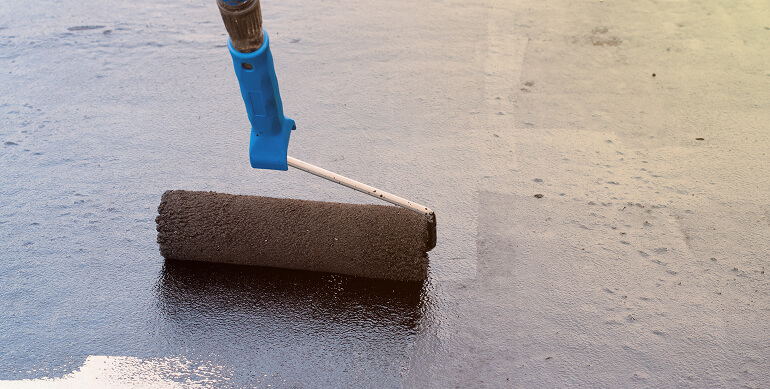
Preparing the roofing surface is often the most challenging yet vital aspect of roof coating application. The roof surface has to be repaired, cleaned, and tested for adhesion. Champion evaluates the existing roof, fixes problem areas, and verifies the surface is ready before any roof coatings are applied.
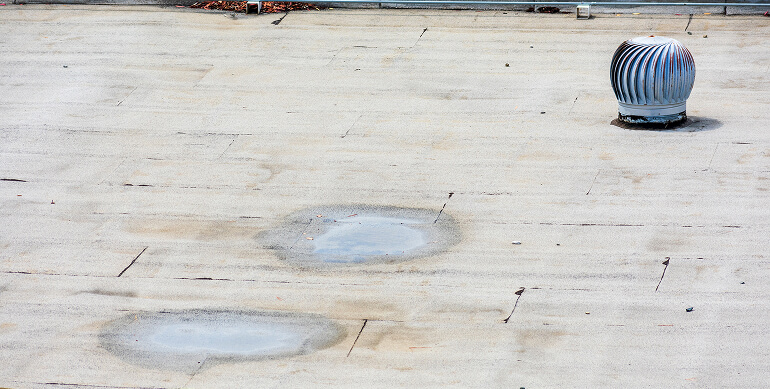
Ponding water can cause long-term lifespan issues, especially after storms. Water collection is heavy and weighs on roof membranes. When present, we address drainage conditions and match the coating system to it. If ponding is severe, we may recommend corrective work before coating.
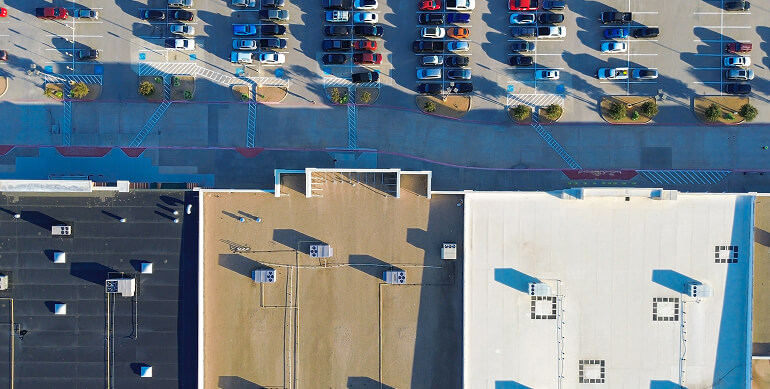
Coatings don’t behave the same on every roof system. Modified bitumen, single-ply membranes, and metal roof assemblies each have different prep requirements and adhesion failure risks. We identify what the existing roof system is, what’s been patched, and what products will properly bond before we select a coating.
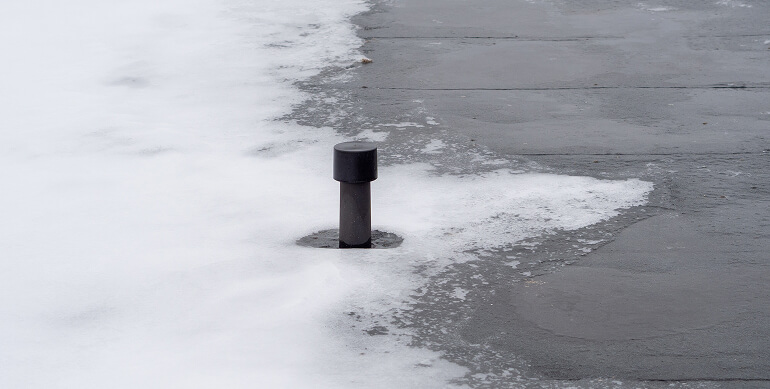
Building codes and local climate are strong deciding factors in coating selection. Reflectivity requirements, installation windows, and temperature limits matter when considering long-term roofing costs and crisis response. We confirm these constraints early so we can plan for them, ensuring the new roof coating system doesn’t become a compliance problem later.
| System Type | Lifespan | Maintenance Needs | Installation Costs | Best For |
|---|---|---|---|---|
| Roof Coatings | 10-20+ years | Low-Moderate | Lower upfront | Extending life of existing roof |
| Single-Ply (TPO/PVC) | 20-30 years | Low | Moderate | New roof systems, large flat roof areas |
| Modified Bitumen | 20-25 years | Moderate | Moderate | Durable, serviceable flat roof installations |
| Built-Up Roofing | 20-30 years | Moderate-High | Moderate-High | Layered redundancy for demanding environments |
It depends on the coating type, prep quality, and exposure. Many systems run 10–20 years, but regular maintenance can extend its lifespan.
Coatings can’t replace a full replacement. If the existing roof is structurally sound and dry, coatings can extend the life and delay full roof replacement.
No. Flat roof applications are common, but coatings work on certain metal roof profiles and compatible substrates.
Ponding water is a large consideration in the system selection process. Silicone coatings are often recommended to combat ponding water, but further inspection can provide an exact selection.
No. Acrylic coatings often lean towards reflectivity and cost control. Silicone coatings are ideal in managing standing water. The roof, exposure, and climate decide which is best.
Yes, reflective systems often help managers meet property energy efficiency goals. The effect varies by building use, insulation, and exposure.
If the roof deck is compromised, insulation is saturated, or failure is widespread, roof replacement may be the necessary choice.
Champion evaluates the existing roof, drainage, and substrate condition to determine whether commercial roof coatings make sense for your property’s structure and budget.
"*" indicates required fields


