24/7 Emergency Support - Call Now

24/7 Emergency Support - Call Now
Single-ply rubber membrane roofing designed for large, low-slope commercial roof decks and highly resistant to weathering and temperature.
On many flat roof facilities, owners want a membrane that maintains stability throughout the seasons, tolerates routine access, and doesn’t demand complicated maintenance. Not many roofing systems and materials qualify for these facilities.
EPDM roofing checks those boxes. Made from ethylene propylene diene monomer, EPDM membrane is a synthetic rubber sheet that handles movement and weathering without becoming brittle. Different material color makes it highly resistant to UV radiation, heat, or cold. For busy commercial properties dealing with equipment, penetrations, and service paths, commercial EPDM roofing delivers a straightforward roofing system with proven field performance and practical repair options.
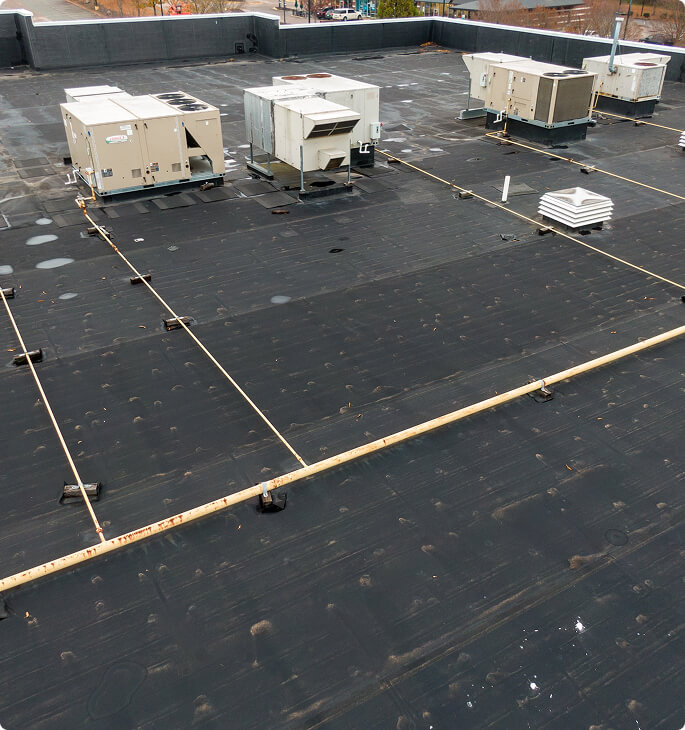

What We Offer
Champion installs EPDM roofs for nationwide commercial roofing portfolios and single-site facilities. Each commercial roofing project begins with an examination of the existing roof condition, deck stability, moisture risk, and drainage review. We select the proper attachment approach and detailing plan based on our observations. The goal is a complete roofing system, not just a sheet on a deck. We adhere to strict installation and maintenance standards and support warranty compliance throughout the process.
Fully adhered installation bonds the EPDM membrane directly to the substrate using approved adhesive systems. This system is often selected in areas with high wind levels to control membrane movement, especially on broad decks where uplift pressure is a major concern.
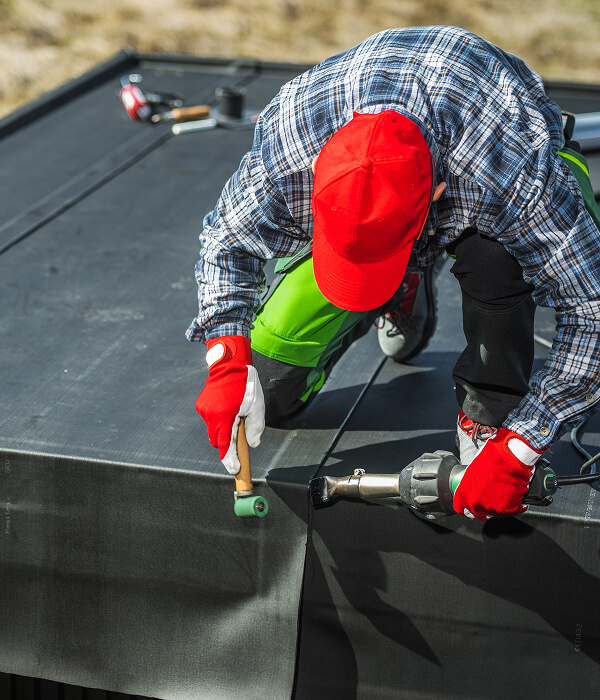
Mechanically attached EPDM roofing systems secure membrane sheets with fasteners and plates along seam lines, corners, transitions, tie-ins, and other areas throughout the roof surface. This option provides quick installation times on large commercial roofing scopes while still delivering reliable performance when completed by a disciplined and detailed team.
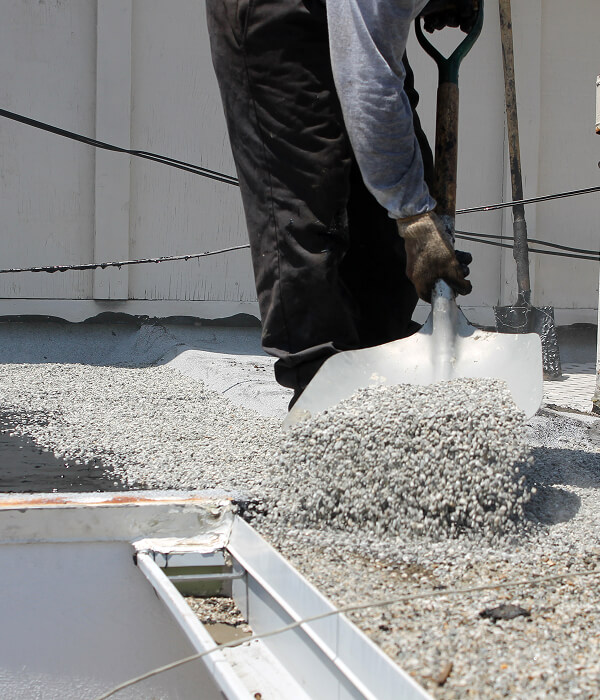
Ballasted assemblies often rely on weight from stones, gravel, or concrete pavers to hold the membrane in place and resist uplift. These systems can be quite heavy, so structural integrity and capacity matters. This approach is selected only when the building can support the heavy load and ensure that access requirements align with operations.
For some commercial roofs in harsh climates, rubber chemistry and all of its characteristics are the best solution against expansion and contraction. EPDM materials stay flexible through temperature swings, which reduces stress at transitions, edges, and penetrations. That flexibility helps maintain continuity on large decks where seasonal movement is unavoidable in commercial roofing environments.

Damage and punctures can happen to any roofing system, but a localized puncture shouldn’t trigger a full replacement conversation. With EPDM, repair work is often isolated to the affected area—patch, seam reinforcement, or detail restoration—keeping disruption low for commercial properties and protecting the overall roofing system.

Some replacement projects may involve old roofing tear-off. Where the existing roof is suitable, EPDM roofing may be overlayed after adequate moisture and substrate evaluation. This decision is based on analyzed conditions rather than assumptions, but roofing overlay often speeds up the installation process and reduces costs.

Compared with more layered commercial roofing systems, EPDM assemblies can make routine inspections more straightforward and simple. In those other systems, issues can hide under the surface fabrics. Fewer layers doesn’t mean EPDM is less durable than other systems, but it can mean fewer variables when diagnosing issues on a working roof, especially in harsh climates where damage is expected.

Newer materials may not have extensive history in roofing, making it challenging to predict how they’ll age. EPDM has a long history of ethylene propylene diene monomer membranes in the roofing industry giving owners predictable maintenance planning and realistic lifecycle expectations. This is especially valuable information for commercial properties managing multiple roofs.

When commercial building owners and property managers compare commercial roofing materials, EPDM is often categorized as practical and durable. It’s easy to install, reliable, and energy efficient. White EPDM reflects UV rays in warmer climates, while black EPDM quickly melts snow and condensation. As a membrane roofing system, it’s valued for stability, repairability, and sustainability.


Facilities with constant exposure to the elements and routine rooftop servicing tend to benefit most from EPDM roofing systems. This includes industries like distribution, manufacturing, healthcare, and institutional buildings.
These are commercial properties where the existing roof often supports equipment density and service traffic. With appropriate detailing and drainage planning, commercial roofing systems using EPDM can perform reliably while keeping maintenance programs manageable and predictable over time.
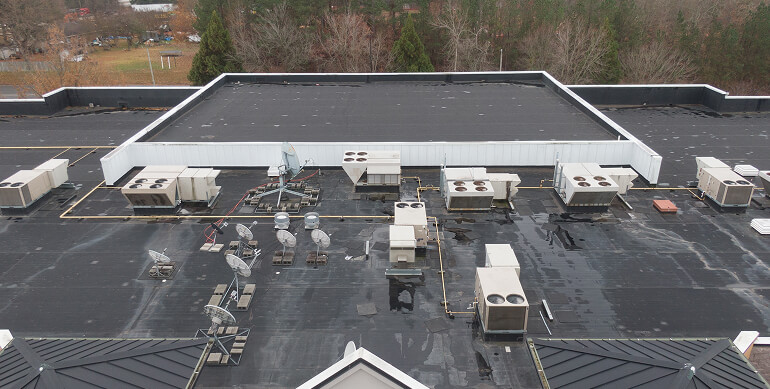
A failing membrane will weaken at the detail points, not within the field of the sheet. Champion follows specific manufacturer seam prep and termination requirements, like clean substrate, correct adhesives/tapes, and disciplined flashing work, so the EPDM membrane performs as a continuous barrier across the roof and ensures warranties remain intact.
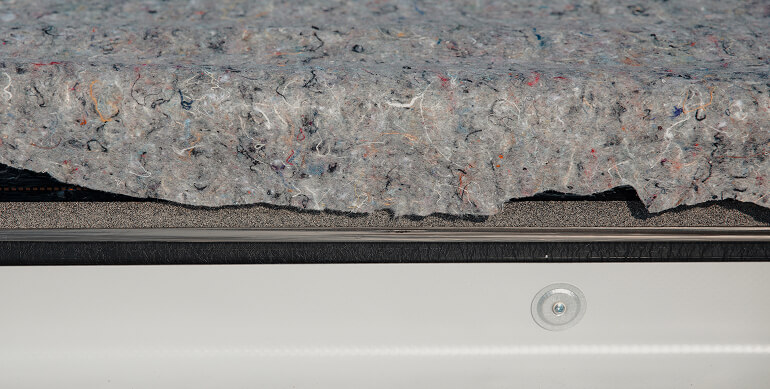
Wind uplift is always a concern, but some buildings face higher risk than others. Edge restraint and perimeter detailing are not optional on a large deck. We match attachment strategy to exposure and deck type, then reinforce the perimeter approach so the roofing system resists uplift forces that are common in commercial roofing sites.
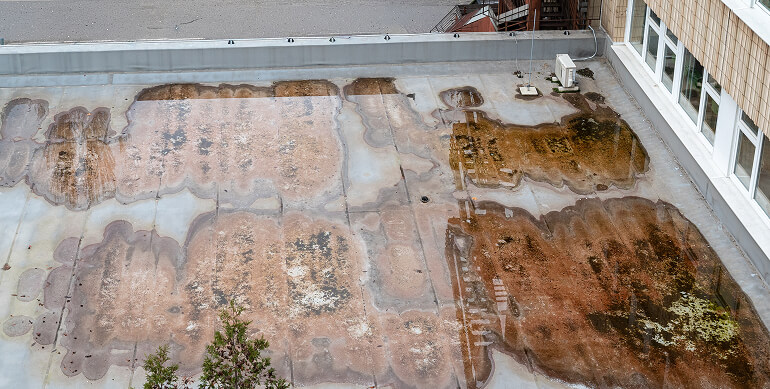
While flat and low-slope roofs are designed to handle a significant amount of water, standing water stresses membrane assembly. Each commercial roofing project includes extensive drainage review to ensure water doesn’t remain on the existing roof surface for extended periods. Black EPDM can aid in melting precipitation, speeding up the drainage process and lowering the risk of water damage.
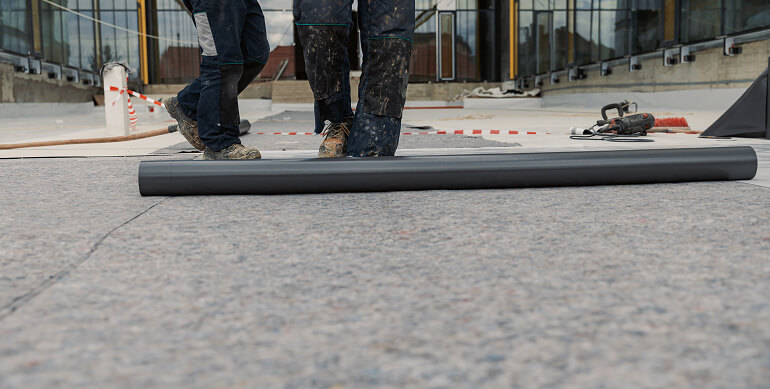
Large campuses rarely use one system everywhere, whether it’s due to building age, construction phase, or a number of other circumstances. Tie-ins between EPDM and adjacent roofing systems are carefully planned and detailed so the system stays continuous at walls, curbs, and equipment zones to reinforce areas where leaks typically start.
| System Type | Lifespan | Maintenance Needs | Installation Costs | Best For |
|---|---|---|---|---|
| EPDM | 20–30 years | Low–Moderate | Moderate | Flexible membrane performance, repairable details |
| Metal Roofing | 40–70+ years | Minimal | Higher upfront | Structural durability, long-term low maintenance |
| Single-Ply (TPO/PVC) | 20–30 years | Low | Moderate | Reflectivity goals, large flat surfaces, speed |
| Modified Bitumen | 20–25 years | Moderate | Moderate | Foot traffic, repair accessibility, redundancy |
The EPDM membrane is a synthetic rubber sheet made from ethylene propylene diene monomer.
Yes, especially for broad, sturdy low-slope decks with predictable access and maintenance.
Sometimes. The existing roof must be evaluated for moisture, attachment, and substrate suitability first. All of these elements may conflict with installation and lower service life expectancy.
That depends on exposure, deck type, owner’s requirements, and building use. Property operators choose from fully adhered, mechanically attached, or ballasted attachment.
It’s typically chosen for flexibility and repairability; other systems may provide redundancy or reflectivity benefits.
Yes. Ethylene propylene diene membranes have decades of commercial use across many climates.
Structural details where workmanship and design discipline matter most, such as edges, penetrations, and transition, can be common weak points for EPDM installation.
Schedule an evaluation to confirm whether commercial EPDM roofing fits your roof conditions, exposure risks, and long-term maintenance plan.
"*" indicates required fields


