24/7 Emergency Support - Call Now

24/7 Emergency Support - Call Now
Commercial metal roof systems designed for durability, structural performance, efficiency, and long service life.
Some commercial buildings are designed with a visible roofline in mind. Others demand structural span and durability. Commercial metal roofs provide benefits that suit the needs of various property managers.
A metal roof performs differently from traditional or membrane-based roofing systems. Instead of layered materials, metal panels interlock or fasten to create a continuous exterior shell. In regions exposed to high winds or severe storms, metal roof systems provide dependable protection. They offer longevity and reliability on steep roof pitches or select flat roofs, ideal for managers prioritizing reduced damage costs and long service life.

What We Offer
Champion brings national project expertise in commercial metal roofing installation across a wide range of projects. We work with standing seam systems and multi-rib metal roofing assemblies. Every metal roof installation process begins with evaluating the roof deck, slope, and structural framing. Our evaluation ensures the selected system aligns with the building structure, drainage requirements, and long-term performance expectations with an included NDL warranty.
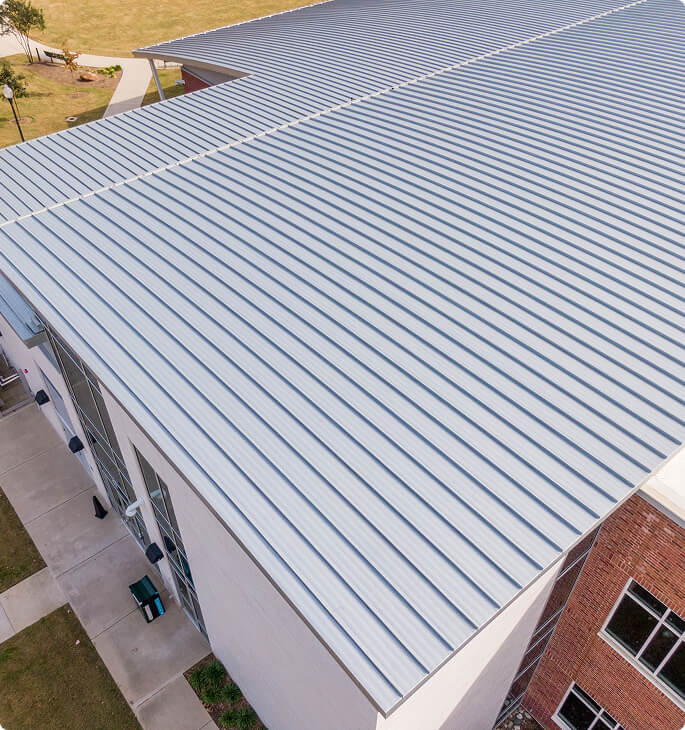
Standing seam metal roof systems (SSMRS) use wide interlocking metal panels with vertical legs that connect through a male and female leg configuration. These standing seam panels conceal attachment points and allow movement during rapid temperature changes.
Some mechanically seamed panels may require a powered seaming machine to ensure proper performance. Many portfolio managers opt for standing seam systems where durability, appearance, and predictable maintenance are priorities.
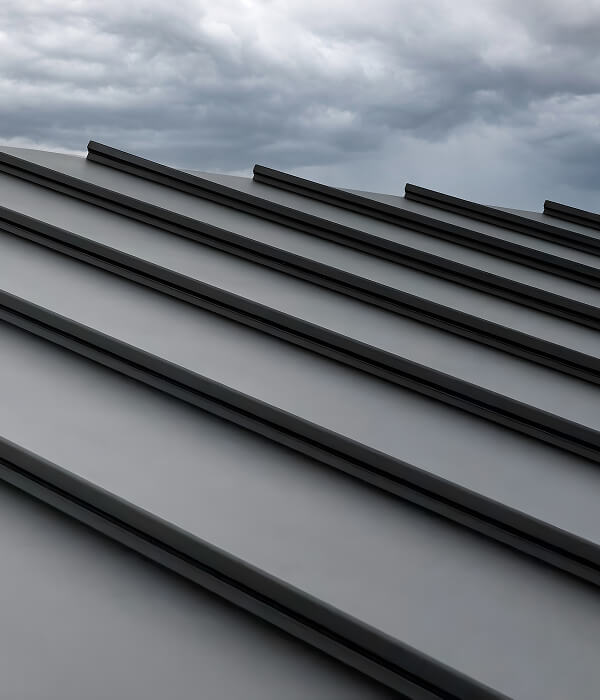
Multi-rib metal panels are exposed fastener systems commonly used on commercial and light industrial buildings suitable for both roof and wall applications. These panels feature repeating rib profiles that add rigidity while allowing efficient coverage across large roof areas, such as warehouses and manufacturing facilities. Multi-rib systems are a good fit for projects where cost control, straightforward installation, and dependable performance are priorities.
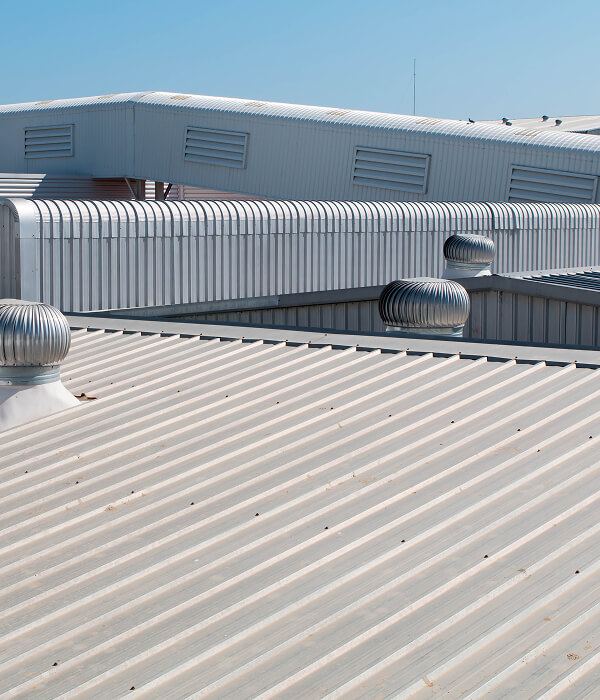
Commercial metal roofing is selected for durability in various environments. When properly detailed and maintained, metal roof systems perform well for decades. That extended service life reduces long-term replacement cycles, maintenance costs, and supports capital planning for commercial building owners.

Standing seam roofs provide dependable strength across commercial buildings with wide spans. Panels are engineered to handle wind uplift and harsh weather exposure, especially in storm-prone regions. That structural reliability is important for facilities where performance and durability are critical and facility operations cannot be interrupted. Most metal roofings are also non-combustible, ideal for certain warehouses or industrial properties.

Standing seam systems use concealed fasteners, limiting exposed penetration points compared to many other roofing assemblies. With fewer exposed fasteners and sealed panel connections, routine maintenance demands are generally lower, especially when installation follows manufacturer specifications and proper detailing practices. Maintaining a schedule of quality inspections reduces future reroofing or damage costs.

In certain renovation scenarios, metal roofing can be installed over an existing roof assembly if the structure is deemed suitable. Moisture conditions and structural strength must be expertly verified before recommending a roofing approach. Overlaying removes the need for a tear-off, minimizes operational disruption, and streamlines scheduling during commercial roof replacement projects.

Standing seam panels create consistent vertical seams, creating a sleek, uniform appearance. On commercial buildings where the roofline remains visible from the ground, that defined profile enhances architectural design and curb appeal without compromising structural performance or long-term durability.

Metal roof systems can support properly engineered attachments for rooftop equipment and solar installations. In some cases, clamp-based mounting solutions allow additions to the roofing panels without direct panel penetrations, which prevents potential leaks, preserves system integrity, and potentially lowers installation costs when designed and installed correctly. Many modern metal roofs are also designed from recycled materials, allowing businesses to further their sustainability efforts.


Warehouses, manufacturing facilities, apartment buildings, civic structures, and institutional commercial buildings frequently use and benefit from commercial metal roofing. Standing seam roofs are particularly common on projects where high area coverage, architectural consistency, and weather durability is crucial. Properties with low-slope roofs, such as distribution centers, commonly use metal roof systems. However, standing seam metal roof assemblies are often selected for projects intersecting visibility and durability, such as universities.
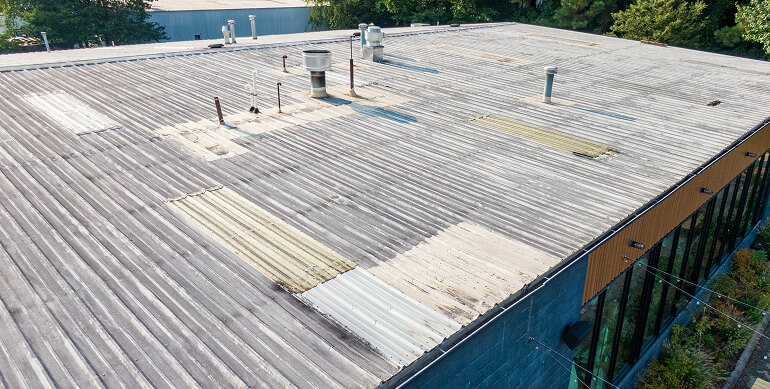
Metal expands and contracts with temperature swings. Improper design or installation can lead to wavy panels and leaks. Champion follows strict standing seam panels installation standards, utilizing clip systems that allow movement without stressing the seams. This flexibility is crucial in environments with severe weather conditions and storm-prone areas. Our same-day response provides prompt inspection to prevent larger issues from developing.
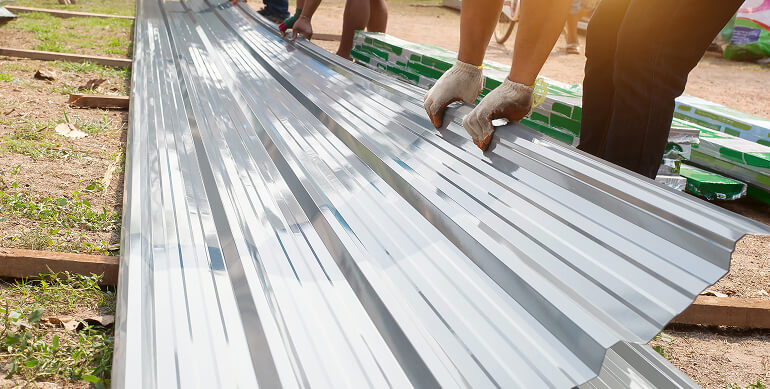
As with any roofing system, improper fastening can lead to leaks and other damage. Whether using concealed clips or exposed fasteners, installation must follow manufacturer guidelines during the metal roof installation process. Champion’s extensive project portfolio displays our commitment to proper, durable installation.
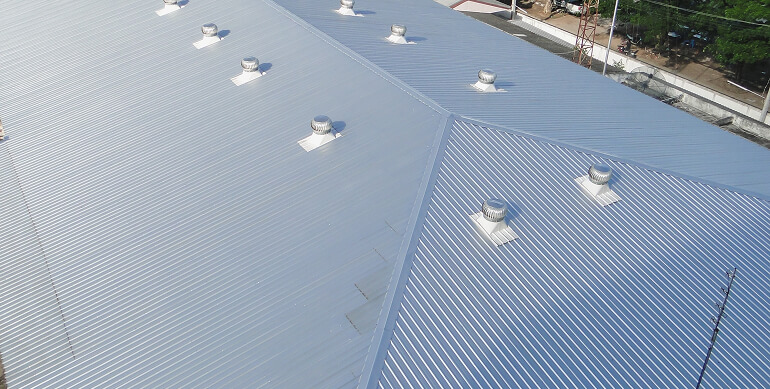
Many portfolio managers find integration between metal roofing and other roofing systems to be a challenging point. Transitions between seam metal roofing and adjacent wall panels or other roofing systems require careful detailing. We ensure that every joint, seam, or connection point is flashed and sealed properly to prevent leaks.
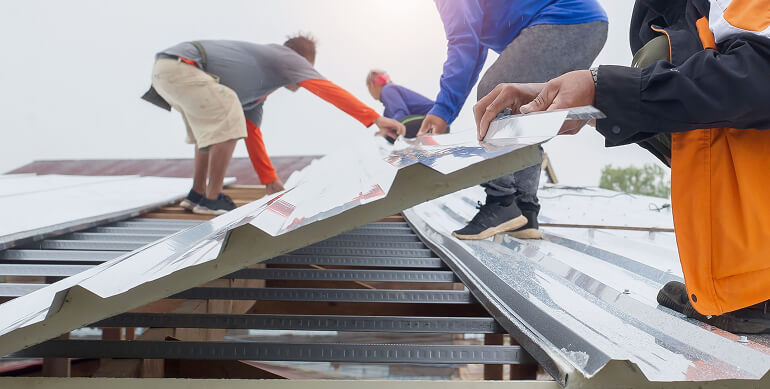
Installing metal over an existing roof can cause damage and long-term disruption when done incorrectly. It demands structural evaluation prior to installation from an experienced inspector, which is then reviewed and accounted for by a professional designer. Champion always confirms that the roof deck and framing can support overlay. When conditions allow, retrofit installation can reduce disruption, tear-off time, and installation costs.
| System Type | Lifespan | Maintenance Needs | Installation Costs | Best For |
|---|---|---|---|---|
| Commercial Metal Roofing | 40+ years | Low | Higher upfront | Visible commercial buildings and long-span structures |
| Single-Ply Membrane | 20-30 years | Low | Moderate | Large flat roofs |
| Modified Bitumen | 20-25 years | Moderate | Moderate | Layered low slope systems |
| Built-Up Roofing | 20-30 years | Moderate-High | Moderate-High | Multi-layer commercial roofing systems |
Yes. Standing seam systems conceal attachment points, while exposed fastener panels utilize visible fasteners.
In some commercial buildings, yes. However, a thorough structural review is required to confirm compatibility.
Standing seam panels are interlocking metal panels with vertical legs that form raised seams along the roof.
Certain low-slope applications are possible, but detailing must account for existing drainage systems.
Metal roofs provide extremely durable protection against various severe weather conditions as the strong metal material is securely fastened to protect against punctures and links.
Metal offers greater durability and a longer lifespan than most traditional shingles.
Yes. Many standing seam systems allow attachment without penetrating the metal panels.
Champion evaluates structural capacity, roof deck condition, and project scope to determine if a commercial metal roofing system is right for your commercial property.
"*" indicates required fields


