Why Property Managers Call Champion After Flood Events
Flood-related roof damage is easy to underestimate at first. Standing water can often turn into trapped moisture and structural damage. We stabilize conditions early and give owners a clear scope for repair.
24–48 Hour Response, Not Days or Weeks
Once water enters a roof assembly, every hour matters. Early site access helps limit extensive water damage.
Stop Active Damage Immediately
We address vulnerable areas quickly so remaining moisture does push deeper into the system.
We Remove Barriers at Zero Cost
We begin initial inspections and documentation support without upfront payment during the emergency phase.
Rapid Damage Documentation During Crisis
Flood-related claims depend heavily on early documentation. We help capture conditions before they change.
Schedule Your Free DAMAGE Assessment
We are large-loss damage experts.
If your insurance claim is denied, our contract is void. You owe us nothing for our services.
Delays after a storm don’t just cost money. They expand the scope of damage, complicate claims, and put operations at risk.
Stops Damage from Getting Worse
Wet insulation rarely resolves on its own, often molding or deteriorating instead. Early action helps prevent widespread system replacement.
Protects Operations and Revenue
Moisture trapped above the deck often shows up later inside offices, corridors, or tenant spaces, causing operational disruption and expensive replacements.
Comprehensive Damage Documentation Included
Storms and flood conditions change quickly. Early documentation helps preserve what adjusters need to see.
Prevents Interior Damage and Equipment Loss
Water can remain under membranes or inside roof assemblies, causing long-term damage to interior assets and equipment.
Permanent Repairs with NDL Warranties
Prompt evaluation can provide more affordable, long-lasting restoration options rather than full replacement across larger roof areas.
Single Vendor from Emergency Through Restoration
Working with one contractor from stabilization through final repairs allows for clear communication and a singular scope of repair.
When to Call Champion’s Emergency Line Immediately
Flood-related roof damage is not always obvious at first. These signs usually indicate the system has experienced water damage and should be inspected right away.
Active Water Leaks Inside Building
Moisture appearing above occupied spaces often indicates insulation saturation or drainage problems overhead.
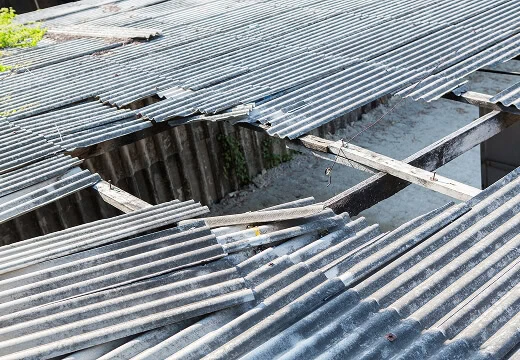
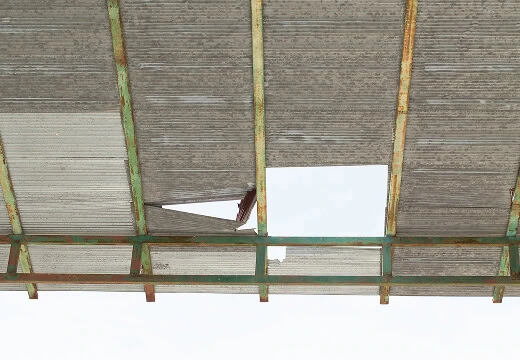
Visible Roof Damage After Flood
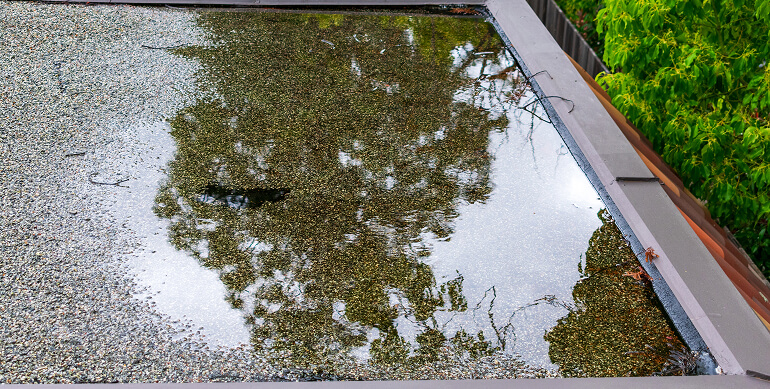
Water that remains in place after drainage resumes can signal deeper system concerns.
Overflowing or Blocked Drain Locations
Drainage failures increase loading and allow water to remain trapped longer than expected.
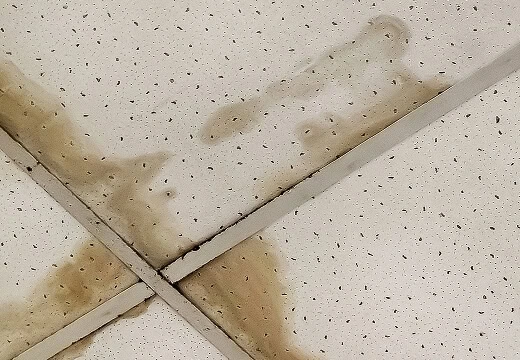
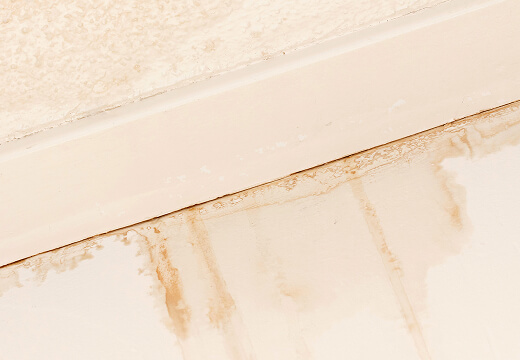
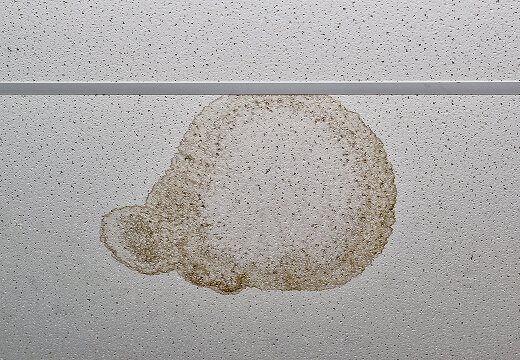
Interior Staining After Water Levels Drop
Delayed ceiling marks often appear hours or days after the initial event, indicating structural concerns.
Odors or Damp Conditions Inside the Building
Lingering moisture inside the assembly can affect indoor conditions and operations even without visible leaks.
Occupant Safety Concerns
If building conditions change after flooding, the roof should be evaluated before normal use continues.
Yes. Water pooling on the surface or backing up into drainage systems can still saturate insulation layers.
Yes. Many flood-related issues appear after the surface dries.
Not always, but it typically indicates an issue that should be addressed.
In many cases, yes. Wet insulation loses performance and rarely dries evenly.
Yes. We record site conditions so claim reviews reflect what actually occurred.
It can be. Stabilization helps prevent additional moisture from entering weakened areas.
Repairs should begin as soon as the site is safe to access and conditions can be evaluated.
Hidden saturation is common. A roof inspection helps confirm whether the system was affected.
Don’t Wait. Call Champion’s Emergency Line Now.
Flood damage often continues developing after the water is gone. A prompt inspection helps protect the building and keeps restoration decisions moving forward.