24/7 Emergency Support - Call Now

24/7 Emergency Support - Call Now
Commercial steep-slope roofing engineered for efficient drainage, structural performance, and aesthetics.
Not every commercial building is designed around a flat roof. Steep-slope roofs are commonly found on schools, churches, municipal facilities, and multi-family properties with smaller footprints where the roofline serves as an architectural feature.
A sloped roof manages water drainage differently than low-slope roofs. Instead of relying heavily on internal drainage systems, steep slopes move water off the roof surface using gravity from their pitch. This new method of drainage leads to reduced leakage and weather damage as water is less likely to pool on the surface. It is important to evaluate different factors in steep-slope selection to ensure a long-lasting steep slope roof that brings value to your property.
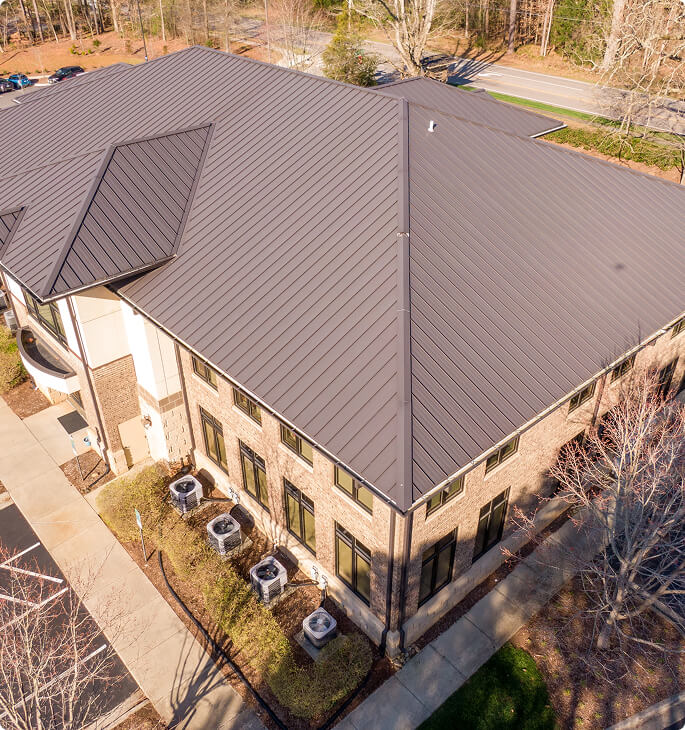

What We Offer
Champion installs steep-slope roofing systems on commercial buildings nationwide. Every commercial roofing project begins with an inspection of the roof deck, pitch, exposure, and code requirements. The goal is to match the right roofing material to the slope and the building, providing stability and durability throughout the installation and maintenance process. We provide an NDL warranty on every project and same-day response when crises occur.
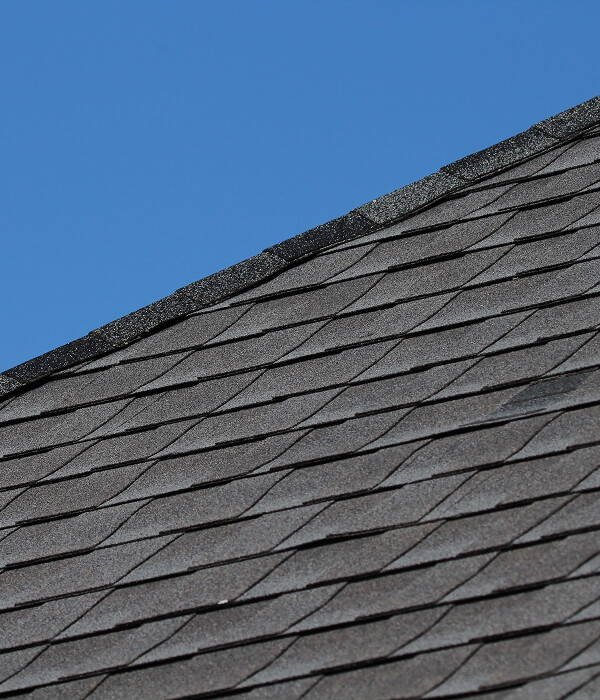
Asphalt shingles are ideal for certain steep-slope commercial roofs, particularly where the building mirrors residential architecture with peaked roofs, dormers, and other similar designs. On the right commercial building, asphalt shingles provide a practical solution thanks to its low cost on smaller properties.
Learn More 
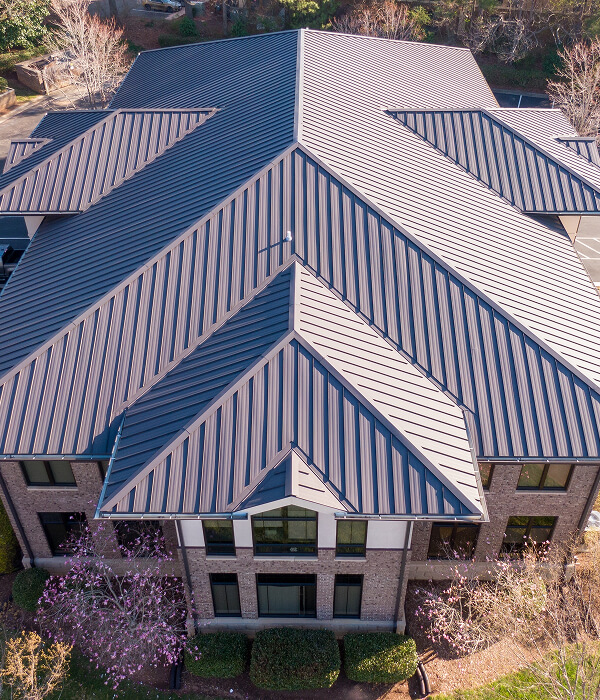
Metal roofing performs well on steep- sloped roofs because water clears quickly, preventing long-term damage to the material. Metal roofing is a high-value system that can last for 50 years or more with proper maintenance. On many commercial buildings, especially those exposed to wind or severe weather, metal roofing’s long track record displays its durability in some of the roughest conditions.
Learn More
Modern steep-slope roofing systems include engineered composites designed to reduce weight on the roof deck. On older commercial buildings, especially historic properties with structural limitations, lighter roofing materials can be critical. Commercial composite systems are also more durable and long-lasting than asphalt and can be made to mimic historically accurate materials like slate.
Flat and low-slope roofs rely heavily on drains and internal systems, which can fail or clog over time, resulting in damage to the roof’s surface. On steep-slope commercial roofs, gravity handles most of the work. Champion designs and installs pitched roofing systems that shed water efficiently, reducing long-term reliance on internal drainage components. Any transition points are carefully evaluated and a drainage solution is implemented to reduce leaks and maintenance.

Some commercial buildings require visible rooflines that contribute to the overall design, and not every flat roofing system meets that requirement. Boosted architectural presence can improve customer satisfaction, asset value, and property perception. Champion matches steep-slope roofing materials to architectural interest, ensuring the finished roof supports both structural performance and the building’s intended visual impact.

Choosing the wrong material for a sloped commercial roof can cause durability or compatibility issues, leading to leaks, increase in maintenance costs, or full roof replacement. Champion evaluates exposure, slope, and structural capacity before recommending asphalt shingles, metal, tile, or engineered composites that can mimic slate and other historic materials without excessive weight.

Moisture-related issues can stem from improper slope or detailing. Even steep roofs can fail if transitions are poorly executed. Champion installs steep-slope systems with proper underlayment, flashing, and attachment methods so pitch works as intended to move water off the roof.

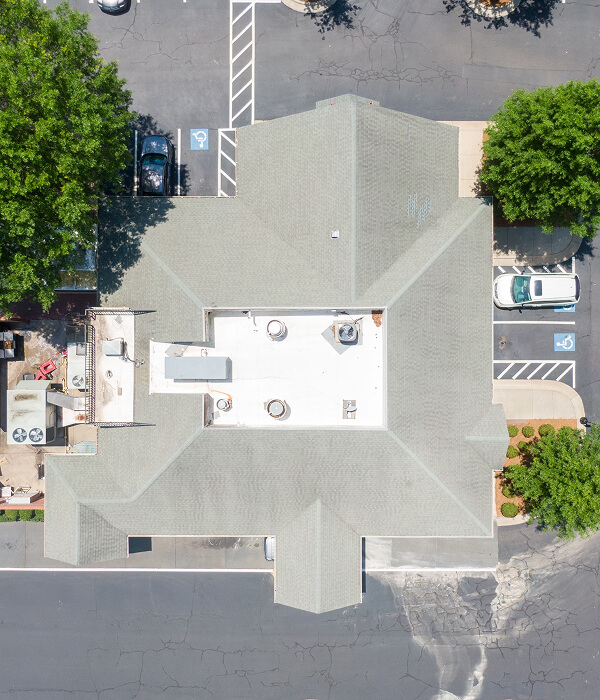
Many commercial buildings combine steep-slope sections with adjacent flat roofs. Poor transitions between systems can lead to leaks and debris accumulation, slowing down business operations and decreasing curb appeal. Champion carefully details these connection points, coordinating materials and flashing so both roofing systems function together without creating weak intersections.

Historic and institutional buildings often require roofing materials that match original architectural intent. Using the wrong product can compromise both appearance and compliance. Champion evaluates design requirements and recommends systems, including engineered composites that mimic slate and other historic materials without excessive structural weight, allowing each property to meet compliance requirements and preserve their asset long-term.


Schools, churches, civic buildings, hospitality properties, and certain multi-family developments frequently use steep-slope commercial roofs. These buildings often prioritize architectural visibility as much as dependable performance, as a defined roofline can be central to the structure’s identity and public presence. In contrast, warehouses, manufacturing facilities, and distribution centers typically rely on low-slope roofing systems driven by efficiency and scale. On commercial buildings, the selected roof slope usually reflects the building’s purpose, design intent, and operational needs.
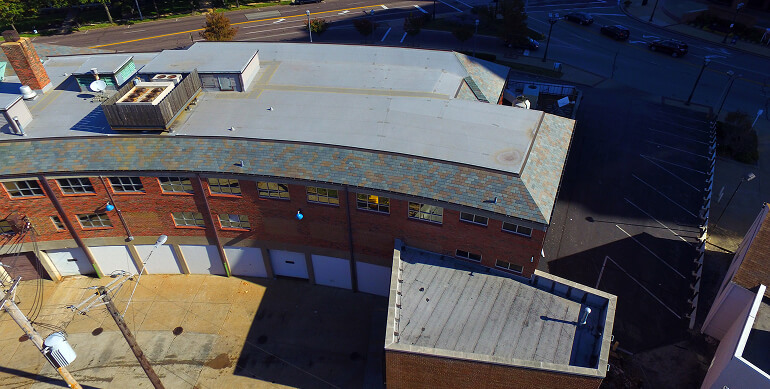
Flashing failures are the primary sources of leaks on steep-slope commercial roofs, especially around penetrations, valleys, and roof-to-wall intersections. Even with proper pitch, water intrusion can occur at poorly detailed transitions. Champion installs manufacturer-approved flashing systems and carefully sequences steep-slope installation to ensure long-term, watertight performance.
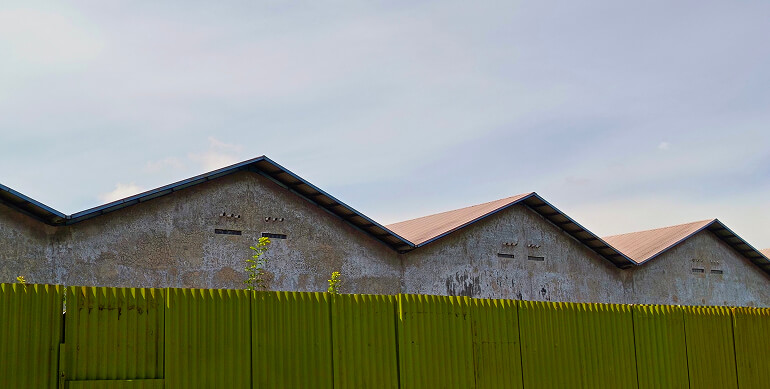
Steep-slope roofs experience wind uplift differently than low-slope systems, particularly along ridges and eaves. Improper fastening patterns can lead to shingle blow-off or panel movement, which then creates exposed leak points. Champion evaluates regional wind exposure requirements and installs steep-slope systems using code-compliant attachment methods designed for structural reliability.
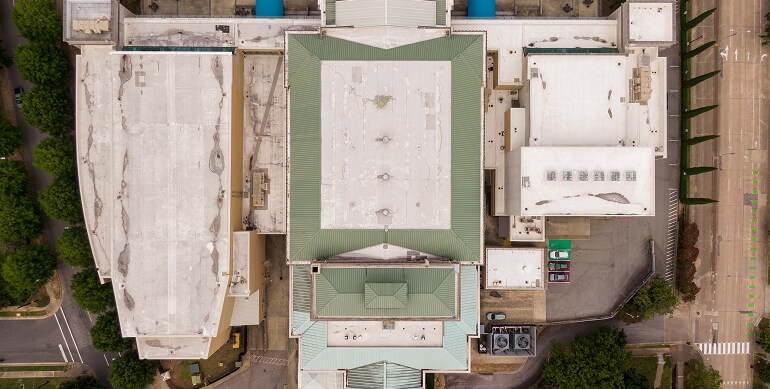
Not every roofing material performs the same at every pitch. Installing the wrong product on a steep-slope can create premature wear or fastening problems and invite water intrusion. Champion accounts for roof pitch, exposure, and building use before carefully selecting shingles, metal, tile, or composite systems suited to the slope.
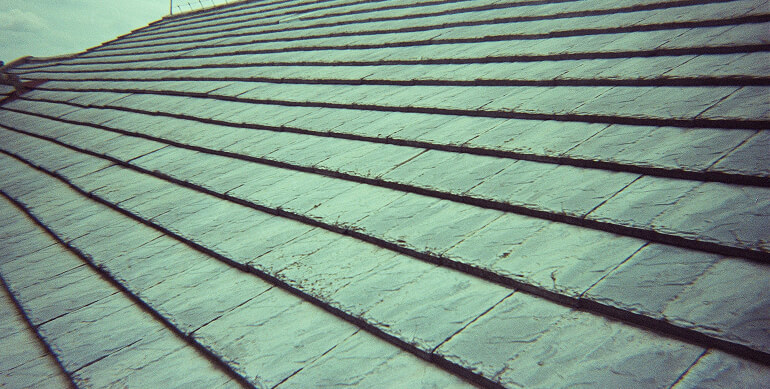
Installing new steep-slope materials over a compromised roof deck can shorten system lifespan and create structural concerns. Deteriorated sheathing or framing must be addressed before roofing begins. Champion inspects the roof deck thoroughly and repairs or reinforces substrates to ensure proper attachment and long-term performance.
| System Type | Lifespan | Maintenance Needs | Installation Costs | Best For |
|---|---|---|---|---|
| Steep-Slope Roofing | 20-50+ years | Low-Moderate | Moderate | Architectural commercial buildings |
| Single-Ply Membrane | 20-30 years | Low | Moderate | Large low slope commercial roofs |
| Modified Bitumen | 20-25 years | Moderate | Moderate | Durable low slope applications |
| Built-Up Roofing | 20-30 years | Moderate-High | Moderate-High | Layered protection on low slope roofs |
A roof with enough pitch to move water off the roof surface via gravity rather than relying on internal drainage. Generally speaking, a roof that rises more than 4 inches vertically for every 12 inches horizontally is a steep-slope roof.
Yes, particularly on schools, civic buildings, hospitality properties, and multi-family developments.
No. Flashing and transitions still require precise installation to prevent roof leak issues.
Low-slope roofs depend on membrane systems and drainage. Steep slopes depend on pitch and overlapping materials.
Common options include asphalt shingles, metal roofing, tile, and engineered composites.
Yes, they can. However, this often creates a valley, so careful transition detailing is critical.
Service life varies by material and installation quality, but many perform for decades.
Champion evaluates slope, roof deck condition, and building design to recommend the right steep-slope roofing system for your commercial building.
"*" indicates required fields


