
Many Oklahoma property owners inspect their roofs after spring storms, complete needed repairs, and consider the building protected for the year. However, for an Oklahoma commercial roof, fall storm season creates a second window for severe weather. Strong wind, hail, and heavy rain may expose damage that started months earlier. A second inspection gives facility managers time to fix those weak areas before fall storms and winter weather arrive. The roof enters the next season with known conditions instead of unanswered questions.
Key Takeaways
- Oklahoma has two severe weather windows, with the highest activity in spring and another active period in fall.
- Fall storms may worsen roof damage caused by spring hail, summer heat, and UV exposure.
- A fall inspection should cover seams, flashing, drainage, rooftop equipment, and deferred repairs.
- Semiannual inspections support early detection, planned maintenance, and lower emergency repair costs.
Oklahoma’s Two Severe Weather Seasons
Oklahoma’s spring storm season receives the most attention for good reason. Warm, humid air often collides with dry air and strong upper-level winds. These conditions may produce tornadoes, large hail, damaging winds, and intense rainfall. Fall brings another shift. Cooler air moves south while warm, moist air may remain across the state. When strong cold fronts pass through, these competing air masses may fuel severe thunderstorms. The fall window is smaller than the spring peak, but the threat remains. The National Weather Service in Norman reports that Oklahoma averaged 59.4 tornadoes annually from 1950 through 2025. Its records also show tornado activity during September, October, and November. Fall storms more often bring straight-line winds, localized hail events, and heavy rainfall. One Oklahoma City and Norman downburst produced winds above 80 mph, golf-ball-sized hail, and widespread power outages. Oklahoma has recorded much higher extremes. One National Weather Service record documents four-inch hail and estimated tornado winds of 135 to 145 mph. Those figures sit well above typical fall conditions. They still show how much pressure Oklahoma weather can place on a commercial roof.
What Makes Fall Storm Risk Different From Spring
By September, a roof system has already endured spring storms, summer heat, and months of UV exposure. Fall weather reaches materials that may already be worn, loosened, or damaged.
Wind and Hail Patterns During the Fall Window
Strong fall fronts may produce sudden gusts and damaging straight-line winds. On low-slope commercial roofs, that pressure creates wind uplift along corners, perimeters, and seams. Wind pressure often concentrates around roof edges. Loose flashing, weak fasteners, open seams, and damaged parapet walls give moving air a path beneath the membrane. Sections of the roof may then lift, wrinkle, or separate. Hail creates a different problem. Impact may puncture or fracture membranes, bruise insulation, and damage metal components. Some hail damage remains difficult to see from the ground. The roof may look intact while moisture enters through small fractures. Facility managers should also check rooftop items before storm season. Loose panels, tools, materials, and equipment covers may become hazardous debris during high winds. Wind-blown objects may puncture the roof surface or strike nearby equipment.
Why Spring-Stressed Roofs Are More Vulnerable in Fall
Spring damage does not always cause immediate leaks. A hail strike may weaken roofing materials without opening a visible hole. Wind may loosen a seam without pulling it apart. Summer conditions wear those areas further. Heat and UV exposure make many materials expand, contract, and age. Rapid temperature changes during fall create thermal shock. This repeated movement places more stress on seams, flashing, coatings, and penetrations. Water trapped beneath the membrane may spread beyond its original entry point. That moisture buildup may damage insulation, reduce thermal performance, and make the affected area harder to find. Thermal imaging helps trained inspectors identify temperature differences linked to trapped moisture. A physical inspection is still required, but thermal scans may reveal hidden damage across large commercial roofing systems.
The Compounding Risks of Skipping a Post-Spring Inspection
A roof that missed its post-spring inspection may enter fall with months-old damage. The first autumn storm may drive rain through loose flashing, open seams, or punctured membranes. Wind-driven rain needs only a small opening. Water may travel beneath the membrane before reaching walls, ceiling tiles, electrical systems, or occupied spaces. By the time interior leaks appear, the wet area may extend far beyond the original entry point. Waiting also changes the size of the repair. A loose seam may require a small patch today. After months of water exposure, the work may include wet insulation, damaged decking, or interior restoration. A post-storm inspection remains useful even when no active leaks appear. Dry ceiling tiles do not confirm that every layer of the roof is undamaged.
What a Fall Inspection Should Cover
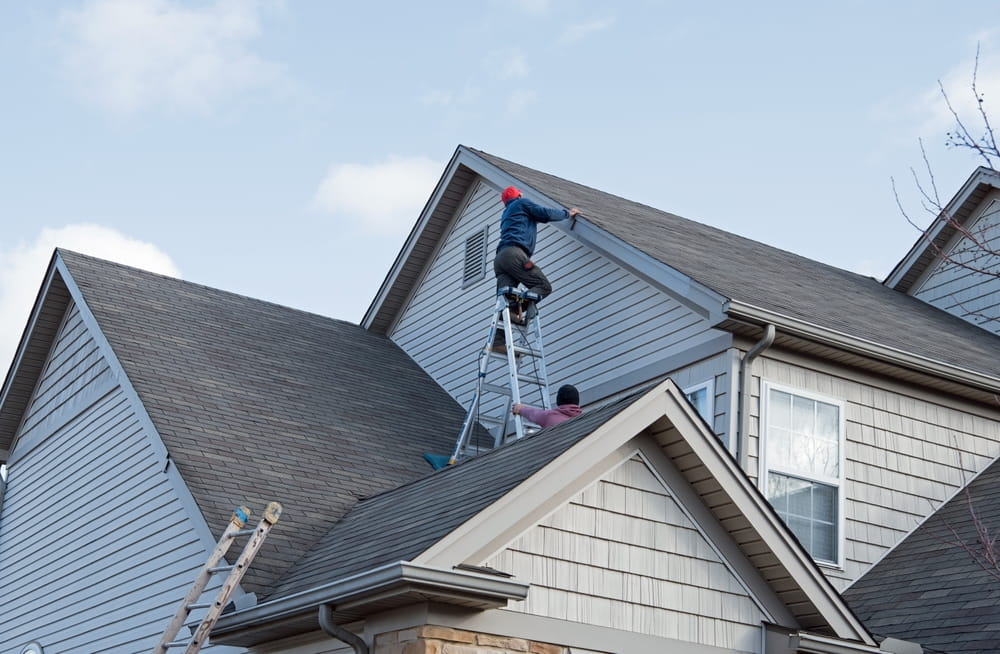
A fall inspection should identify the exact areas most likely to fail under wind, hail, or heavy rain. That requires more than looking for visible holes.
Review Deferred Repairs From Spring
Start with every item noted during the previous inspection. Confirm that temporary patches were replaced with permanent repairs and that scheduled work was completed. The review should include:
- Previous hail impact areas
- Open or lifting seams
- Loose flashing around penetrations
- Membrane punctures and surface wear
- Roof edges and perimeter fasteners
- Coping and parapet walls
- Previous leak locations
- Sealants around vents and equipment curbs
Inspectors should also review repairs that no longer match the surrounding system. Incompatible materials may separate, crack, or trap moisture as temperatures change. After a recent storm, schedule a professional storm damage inspection. A qualified inspector can document visible damage and assess areas that cannot be checked safely from the ground. Get a Proposal
Clear Drains and Scuppers Before Fall Storms
A commercial roof must move water away from the building quickly. Leaves, sediment, packaging, and storm debris may block drains, scuppers, and gutters. When the drainage system cannot handle heavy rainfall, water collects on the roof. That ponding water adds weight and places constant pressure on seams, flashing, and weakened sections. Standing water may also hide punctures or enter through small openings. If temperatures fall quickly, expansion and contraction place more stress on the surrounding materials. Inspectors should clear each drainage path and confirm that water reaches the intended outlet. They should also check for low areas, damaged strainers, loose components, and stains from earlier ponding.
Secure Rooftop Equipment and Loose Materials
Roof-mounted equipment creates several vulnerable areas. Curbs, panels, access doors, conduit, and penetrations should remain sealed and securely attached. Check for:
- Loose HVAC panels and access covers
- Unsecured cables, tools, or stored materials
- Damaged equipment curbs
- Open penetrations
- Deteriorated sealant
- Loose satellite or communications equipment
- Debris near drains and roof edges
High winds may move unsecured items across the roof. Even a small object can tear a membrane or damage flashing when driven by a strong gust. Property teams should also inspect nearby trees from the ground. A qualified tree professional should address dead or damaged branches that threaten the roof or rooftop equipment.
Building a Twice-Yearly Inspection Habit
A twice-yearly schedule gives property owners time to plan repairs, set budgets, and coordinate work around building operations.
Set the Calendar Around Oklahoma’s Storm Pattern
Schedule the first inspection after Oklahoma’s main spring storm period. This visit should identify damage caused by hail, wind, and heavy rain. Schedule the second inspection before the fall severe-weather window. That leaves time for drainage cleaning, equipment securement, and deferred maintenance before storms and freezing temperatures arrive. The National Roofing Contractors Association recommends biannual roof inspections and references spring and fall checks. It also recommends inspections after severe weather. The calendar should include event-based inspections too. A major storm, reported hail, unusual wind event, or new ceiling stain warrants another assessment.
Fix Small Problems Before They Reach the Building Interior
Routine inspections turn unknown roof conditions into scheduled maintenance items. Loose flashing may require a minor repair today. If water reaches the insulation, that work may grow to include decking and interior finishes. Scheduled repairs are easier to coordinate around tenants, employees, equipment, and business hours. Emergency repairs offer fewer scheduling choices and may require immediate temporary protection. After significant storm damage, emergency tarping or patching may limit additional water entry. Those measures protect the building until permanent work begins. They are not intended to replace a complete repair. Inspection reports create a record of roof conditions over time. Photos, repair histories, and maintenance logs help with budgeting, warranty requirements, and insurance claims. Property owners should document visible damage before repairs and follow the notification terms in their policies.
Formalize the Process With Life of Roof Monitoring
A recurring inspection and maintenance program gives each visit a documented starting point. Champion’s Life of Roof Monitoring tracks roof conditions, completed repairs, and changes between inspections. It helps facility managers separate urgent needs from work that can be budgeted for a later date. That record is useful for portfolios with several office buildings or facilities. Property teams can compare roof conditions, organize budgets, and identify which buildings need attention first.
Keeping Your Commercial Roof Ready for Both Storm Seasons with Champion
Oklahoma’s spring storms bring the most attention, but fall creates another important inspection window. By then, the roof may carry loose flashing, hail fractures, blocked drainage, or trapped moisture from earlier weather. A twice-yearly inspection schedule helps facility managers find those problems while repairs remain manageable. It also creates better records, steadier maintenance budgets, and fewer storm-related interruptions. Champion’s Oklahoma team inspects, maintains, and restores commercial roofs across the state. Our team brings the same technical care to scheduled inspections and major storm response. Are you ready to protect your roof from the dangers of fall storm season? Get a Proposal
FAQs
What makes Oklahoma’s fall storm season different from spring?
Spring has Oklahoma’s highest concentration of tornadoes and severe storms. Fall brings a smaller secondary window as cold fronts meet warm, moist air. These systems may still produce damaging wind, hail, and heavy rain. They also reach roofs already exposed to spring weather and summer heat.
When should a fall roof inspection be scheduled?
Schedule the inspection before Oklahoma’s fall severe-weather window. Leave enough time to complete repairs before winter. The roof should also be inspected after major hail, wind, or rain events. Do not wait for an active leak because some damage remains hidden beneath the surface.
How much can twice-yearly inspections save compared with reactive repairs?
Savings depend on the roof’s size, condition, system, and existing damage. No single percentage applies to every building. NRCA identifies maintenance as a major factor in roof service life and cost. Early repairs may also prevent wet insulation, interior damage, emergency labor, and premature replacement.
Isn’t one commercial roof inspection per year enough?
One annual inspection may leave a long gap between Oklahoma’s two severe-weather periods. A spring inspection identifies winter and early storm damage. A fall inspection checks how the roof handled spring storms and summer exposure. NRCA recommends spring and fall inspections, plus checks after severe weather.
Does Champion serve Oklahoma with the same response time as other markets?
Yes. Champion provides local Oklahoma service backed by national storm-response resources. Its same-day national response model helps mobilize crews, materials, and project leadership after severe weather. Exact arrival timing depends on storm conditions, site access, safety, and the project’s scope.