Storm damage quickly becomes a structural and liability risk when not attended to. Champion responds fast, thoroughly documents conditions, and coordinates with insurers so restoration begins without unnecessary delays or confusion.
24–48 Hour Response, Not Days or Weeks
Our nationwide rapid deployment limits exposure, protects interiors, and stabilizes structures before moisture spreads through the building.
Stop Active Damage Immediately
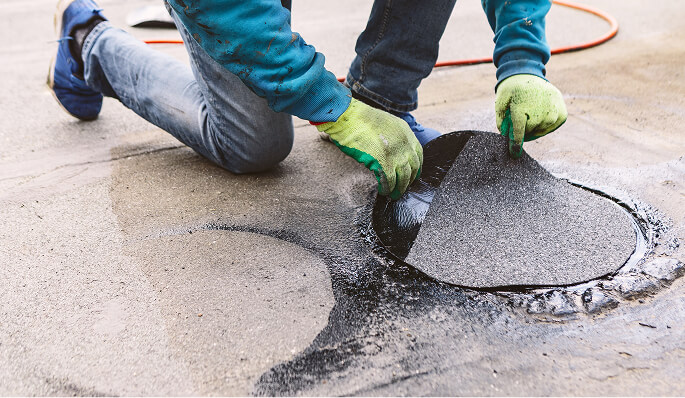
Temporary protection is installed quickly to control water intrusion while permanent restoration plans move forward.
We Remove Barriers at Zero Cost
Emergency inspections, documentation support, and claim coordination begin immediately without upfront cost to prevent risk for property managers.
Rapid Damage Documentation During Crisis
We help present clear storm-related evidence so adjusters understand scope, urgency, and restoration requirements from the start.
Schedule Your Free DAMAGE Assessment
We are large-loss damage experts.
If your insurance claim is denied, our contract is void. You owe us nothing for our services.
Delays after a storm don’t just cost money. They expand the scope of damage, complicate claims, and put operations at risk.
Stops Damage from Getting Worse
Storm damage can expand quickly under wind and rain. Early stabilization prevents saturation that spreads into insulation, decking, and occupied interior spaces.
Protects Operations and Revenue
Leaks disrupt tenants, inventory, equipment, and schedules. Rapid response minimizes downtime and keeps facilities functioning during restoration planning and repairs.
Comprehensive Damage Documentation Included
Clear documentation reduces disputes about scope, helping insurers approve restoration work faster and more accurately.
Prevents Interior Damage and Equipment Loss
Moisture migration can reach electrical systems, ceilings, finishes, and stored materials within hours after membrane failure.
Permanent Repairs with NDL Warranties
Restoration work supports long-term system protection backed by manufacturer warranty options when conditions qualify.
Single Vendor from Emergency Through Restoration
One contractor manages stabilization, documentation, repairs, and warranty coordination without handoffs between multiple vendors.
When to Call Champion’s Emergency Line Immediately
Storm damage isn’t always obvious from the ground. Early, thorough inspection is key to preventing larger structural or interior losses, even after the storm passes.
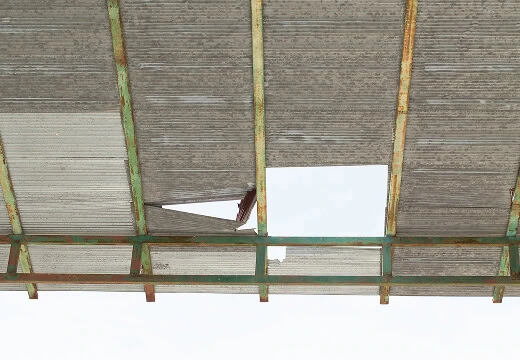
Active Water Leaks Inside Building
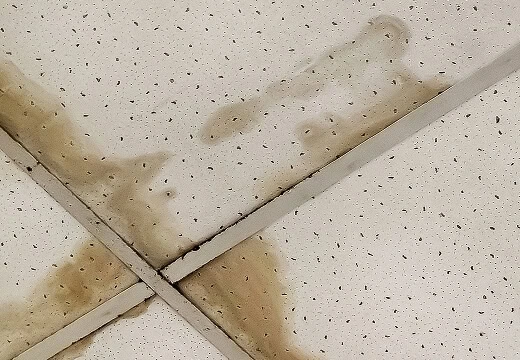
Interior dripping or ceiling staining often signals membrane failure requiring immediate stabilization before insulation saturation spreads further.
Visible Roof Damage After Storm
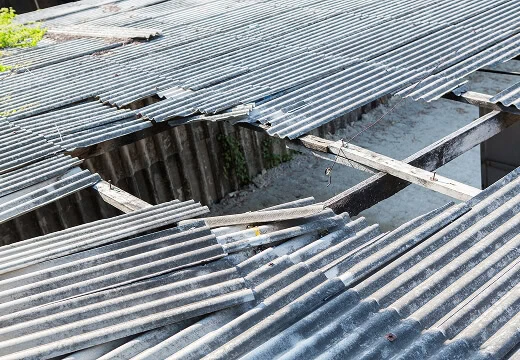
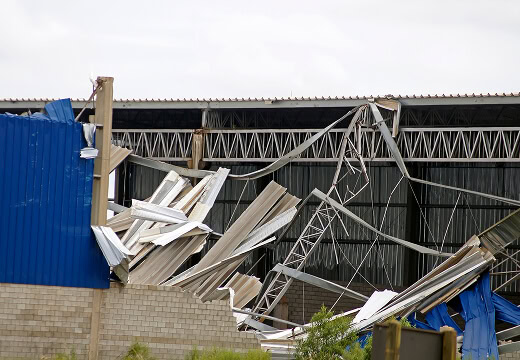
Displaced flashing, punctures, uplifted seams, or debris impact areas indicate system compromise requiring prompt assessment.
Sagging or Structural Deflection
Water-loaded insulation and decking create weight-related safety concerns that require immediate evaluation before conditions worsen.
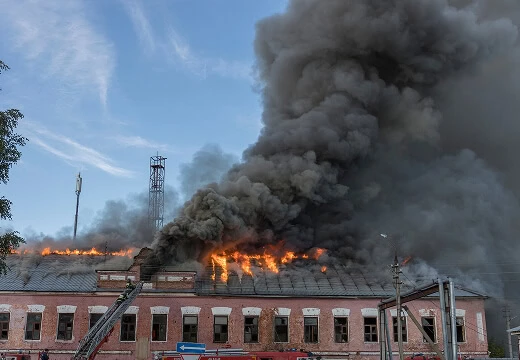
Fire or Smoke Damage to Roof
Storm-related electrical failures or lightning strikes can weaken assemblies and require specialized restoration planning.
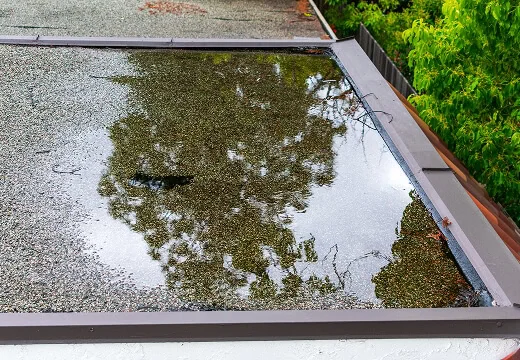
Standing Water or Drainage Failures
Blocked drainage and downspouts after storms increase loading stress and accelerate membrane deterioration across large roof areas.
Occupant Safety Concerns
After severe weather, immediate inspection helps prevent or detect safety and environmental hazards affecting tenants, staff, or visitors.
Within 24 to 48 hours. Early documentation helps preserve claim accuracy and prevents hidden moisture from spreading.
No. Temporary stabilization allows safe operation while the restoration scopes move through insurance approval.
Yes. Insulation saturation and seam damage often remain unseen until conditions worsen later.
Yes. We provide documentation and scope clarity that helps align repair requirements with claim expectations.
We handle wind uplift, punctures, hail impact, flashing displacement, drainage failures, and moisture infiltration across commercial systems.
Most emergency stabilization work is planned around occupancy with minimal disruption to tenants or daily activity.
In many cases, restoration scopes can be structured to maintain or reinstate manufacturer warranty protection.
Yes. Moisture migration spreads quickly and increases both repair scope and insurance complexity over time.
Don’t Wait. Call Champion’s Emergency Line Now.
Storm damage rarely improves on its own. Early stabilization protects your building, reduces long-term repair costs, and keeps restoration moving without unnecessary delays.