24/7 Emergency Support - Call Now

24/7 Emergency Support - Call Now
Commercial spray foam roofing systems designed for seamless waterproofing and insulation performance.
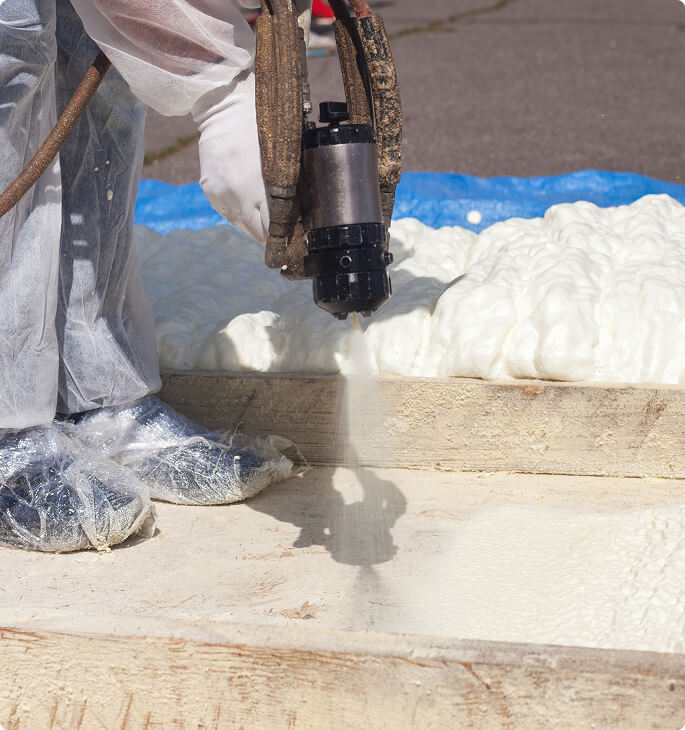
Commercial SPF roofs are designed differently than most roofing systems. Instead of laying sheets or layering materials, spray polyurethane foam is applied directly to the roof surface as a liquid, which expands in place and forms a seamless, waterproof layer across the entire roof.
That expansion is what differentiates spray foam roofing from others. A spray polyurethane foam roof conforms to irregular shapes, curbs, penetrations, surface nuances, and transitions without relying on seams. This tight seal reliably prevents leaks after storms or weather crises. For many flat roof structures, especially aging ones, commercial SPF roofing installation offers a way to restore an existing roof without disrupting business operations. An SPF roof offers both insulation and waterproofing in a single roofing material.

What We Offer
Champion installs commercial spray foam roofing on flat roof structures nationwide. We evaluate the existing commercial roof, confirm substrate condition, and determine whether spray foam roofing is appropriate. Our SPF roofing installation follows extensive preparation, strict adherence to manufacturer specifications, and standardization with long-term warranty.
A spray polyurethane foam roof is applied directly over a prepared roof surface. The liquid expands and bonds to the substrate, fills small gaps and cracks, and forms a continuous foam roof layer preventing leaks and energy loss. Once cured, protective roof coatings are installed to shield the foam from UV exposure and harsh weather.

When possible, commercial SPF roofs are often installed over an existing roofing system to minimize installation time and costs. In these cases, it’s important that the structural components are in sound condition to prevent long-term damage from developing. Instead of full tear-off, spray foam roofing can restore the entire roof while correcting minor slope or drainage concerns, especially when urgent recovery or budget efficiency is a priority.
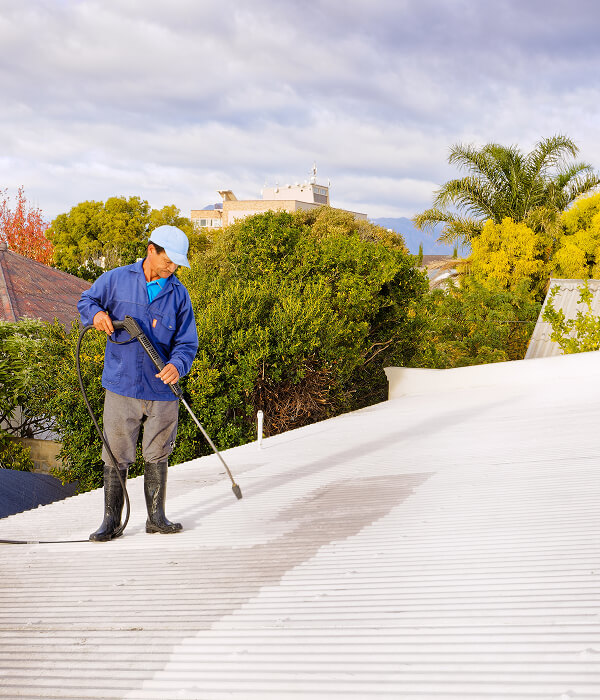
Spray foam roofing does not require field seams. Because the foam is applied in liquid form, it bonds seamlessly across the entire roof surface, reducing the number of potential leak points. Property managers often choose SPF in storm-prone areas, as its waterproof quality allows for minimal damage, less downtime for repairs, and quicker turnaround.

Spray polyurethane foam provides insulation value while functioning as the roofing material. This dual function can improve the building envelope and support energy performance goals on flat roof and low-slope roof buildings without adding separate insulation layers. This provides properties with greater control over heating and cooling costs and lifecycle savings.

For many commercial SPF roofs, the biggest advantage is avoiding the labor, cost, and time involved in tear-off. When the existing roof deck and structure are sound, a spray foam roofing application can restore the entire roof without removing the existing roof assembly. Shortened project timelines and minimized disruption leads to increased building efficiency.

Curbs, penetrations, transitions, and uneven substrates are common on commercial roofs, and they can be tricky to handle with standard roofing materials. With spray foam roofing, the material expands around these details, creating a continuous foam roof layer across complex geometry. By removing the need to find solutions around these irregular shapes, spray foam roofing grants simpler installation and allows buildings to function as normal during installation.

SPF roofing maintenance centers on renewing protective roof coatings. As long as the polyurethane foam core remains intact and dry, coatings can be reapplied periodically to extend service life without removing the existing foam layer. Spray foam roofing also meets fire and building safety standards.

Compared to some traditional roofing systems, spray polyurethane foam roofing adds minimal weight to the existing roof. That can be beneficial on older flat roof structures with structural limitations. The building can receive the same insulation benefit and weather protection without the extra layers associated with other types of roofing.


Warehouses, manufacturing facilities, schools, and large retail buildings frequently use commercial spray foam roofing. SPF roofing is an especially good fit for flat and low-slope roof structures where removing the existing roof would disrupt operation, such as universities. The simple installation typically results in less noise pollution, which is especially beneficial for healthcare and multi-family complexes. In these cases, spray foam roofing systems provide insulation upgrades and waterproofing restoration without the disruption of a full roof replacement.
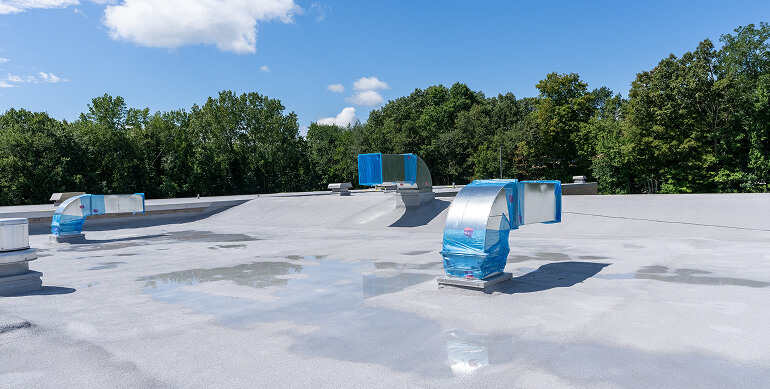
Spray polyurethane foam bonds directly to the roof surface, and that bond determines the system’s efficacy. If the existing roof is dirty, wet, or unstable, adhesion problems can occur, resulting in potential leaks, condensation pockets, and other problems. We inspect and prepare the existing roof thoroughly before applying spray foam to ensure any maintenance we provide will last.
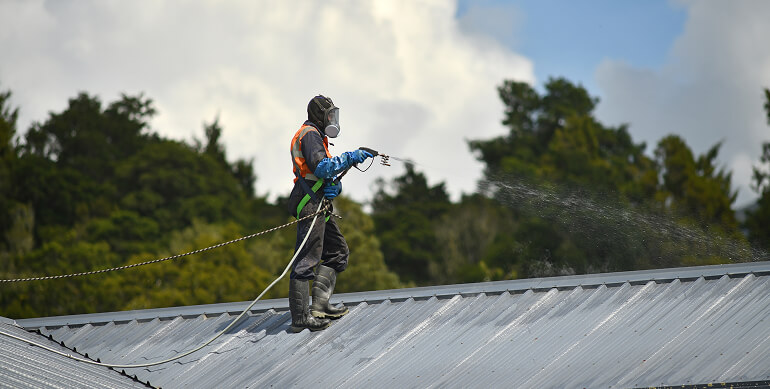
An SPF roof requires protective roof coatings and touch-ups from time to time. Without proper maintenance, UV exposure can degrade the foam. We help property owners develop maintenance SPF roofing system schedules to renew coatings before failure occurs, ensuring their SPF roof performs as it should. Our quick response time allows property managers to identify and prevent damage when UV exposure is predicted to be high.
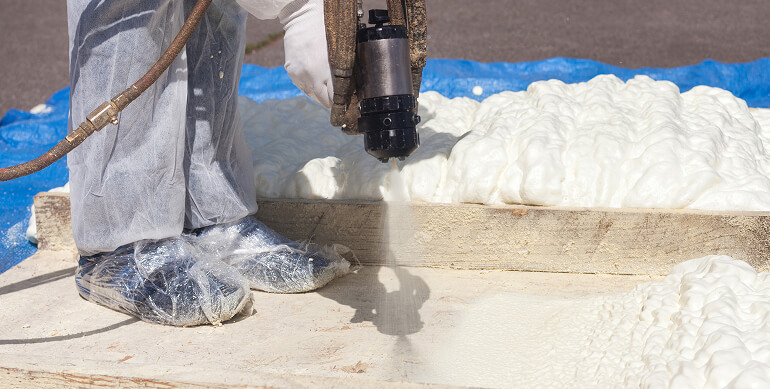
Spray foam roofing is sensitive to weather conditions during installation. Temperature and moisture levels affect expansion and cure time and can postpone installation. Our commercial roofing contractor teams monitor conditions carefully during the SPF roofing installation process to ensure it can be installed safely within the required dry, fair weather.
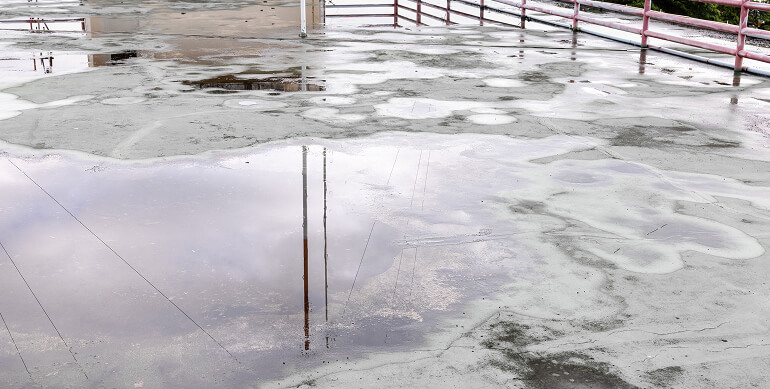
While polyurethane foam can be shaped to improve slope, severe drainage issues must be addressed first. We evaluate the existing roof and correct structural drainage concerns before applying spray polyurethane foam. This step gives the SPF its best shot at meeting long-term performance and cost expectations.
| System Type | Lifespan | Maintenance Needs | Installation Costs | Best For |
|---|---|---|---|---|
| SPF Roofing | 20-30+ years (with coating renewal) | Moderate | Moderate | Restoration of existing flat roof structures |
| Single-Ply Membrane | 20-30 years | Low | Moderate | Large low slope commercial roofs |
| Modified Bitumen | 20-25 years | Moderate | Moderate | Multi-layer durability |
| Built-Up Roofing | 20-30 years | Moderate-High | Moderate-High | Layered protection systems |
SPF is a roofing system where spray polyurethane foam is applied in liquid form and expands to create a seamless foam roof layer.
Yes, commercial SPF roofing is often applied over an existing roof when structural components remain sound.
Yes. Protective roof coatings are required to shield the polyurethane foam from UV exposure.
With proper coating maintenance, many commercial SPF roofs perform for decades.
Yes. Spray foam roofing is commonly used on flat roof structures.
Because the spray foam is seamless, leaks are often localized and can be repaired without disturbing the entire roof.
Yes. Compared to many traditional roofing systems, spray foam roofing adds relatively little weight to the roof deck.
Contact Champion to evaluate your existing commercial roof and determine whether commercial spray foam roofing is the right solution for you.
"*" indicates required fields


