24/7 Emergency Support - Call Now

24/7 Emergency Support - Call Now
Reliable commercial roofing systems designed to protect protect commercial properties and support long-term building performance.
Although flat roofs do not always lay completely flat, they serve different purposes than steep-slope systems. After heavy rainfall, water management relies on membrane integrity and drainage design, not just gravity. Flat or low-slope roofs consist of sheets of roofing materials properly sealed to form roof membranes that protect the roof deck from water and damage.
For many commercial and industrial buildings, commercial flat roofing systems offer efficient coverage over large areas while accommodating rooftop equipment, insulation upgrades, and future modifications. When severe weather or aging roofs create leaks, these systems also allow targeted repairs or full replacements without disrupting the entire building.

What We Offer
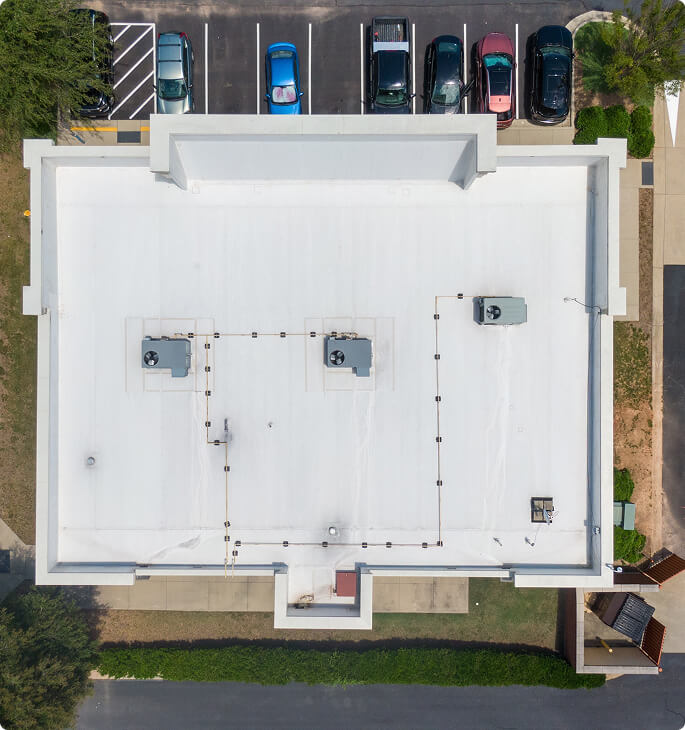
Champion installs commercial flat roofs across new construction and renovation projects. We work with TPO roofing systems, PVC roofing systems, EPDM roofing, modified bitumen roofing, and built-up roofing assemblies. Every commercial roofing project begins with a thorough evaluation of the roof deck, insulation and slope conditions, and building use before recommending a system. As a GAF Platinum Elite Contractor, Champion installs systems that qualify for NDL warranties, included on every project.
Single-ply membranes are common on commercial flat roofs. These roofing systems include TPO and PVC roofing systems, both of which use heat-welded seams. EPDM roofing is also widely used in single-ply flat commercial roofing using an adhering system. All three options offer quick installation and lightweight material, ideal for buildings that cannot structurally handle a heavy roofing system.
Learn More 
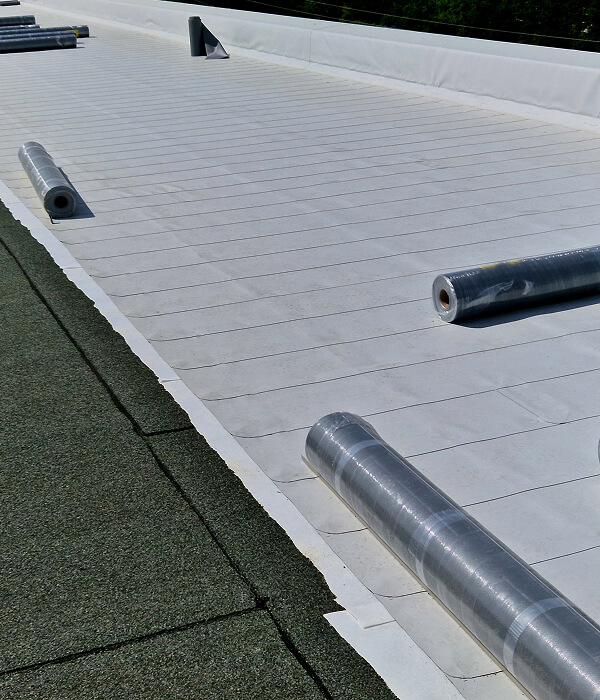
Modified bitumen roofing remains a popular choice across commercial and apartment buildings. This layered roofing system consists of multiple layers and can be applied using heat- or cold- adhered methods. Modified bitumen systems are often selected for their durability and familiarity among experienced roofing contractors in the commercial roofing industry.
Learn More
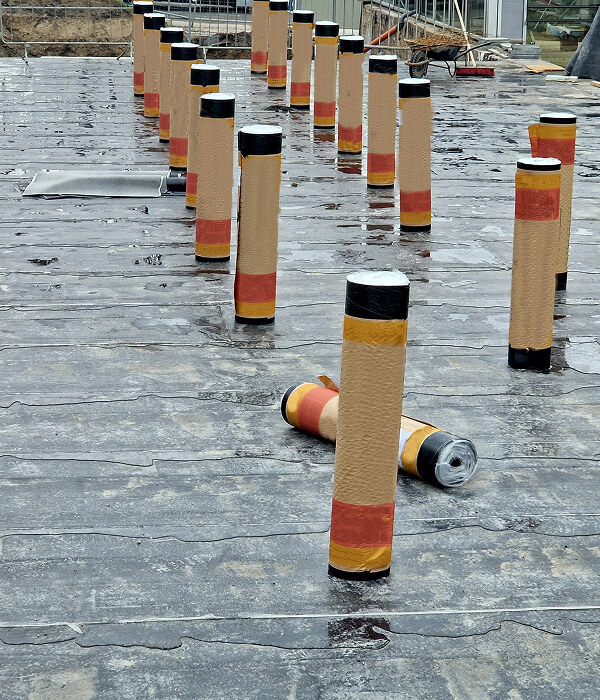
Built-up roofing is a tried-and-true system that uses alternating layers of bitumen and reinforcement felts to create durable and highly waterproof roof membranes. Although newer commercial roofing systems have emerged, built-up roofing continues to appear on industrial buildings and older commercial flat roofs, especially when expected foot traffic is high and resistance to harsh weather conditions is crucial. The layered design provides redundancy, meaning small surface damage does not immediately compromise the entire roofing system.
Learn More
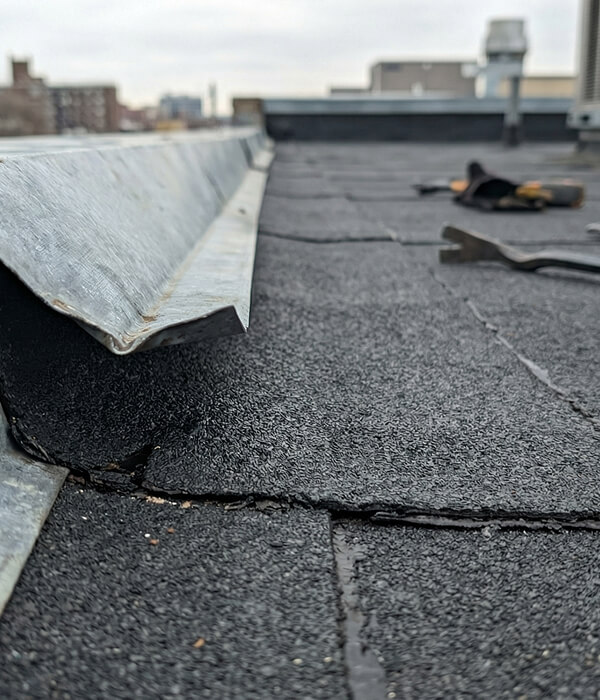
Some commercial roofing systems combine materials. This can include vegetative roof systems, overlays on existing roof assemblies, or combinations of membrane and metal roofs in the same structure. When a property calls for one of these systems, Champion understands how to design a system that merges these materials appropriately. Selection depends on building design, drainage, and long-term use.
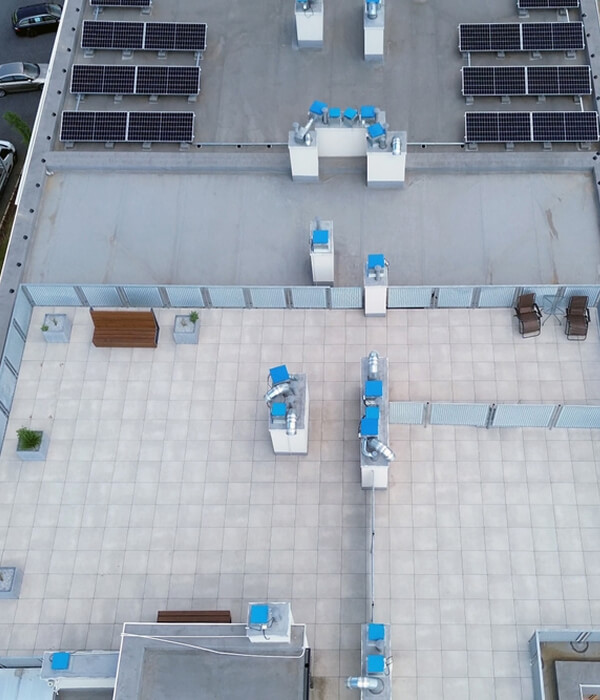
Flat roof systems allow wide coverage across commercial buildings without complex or restrictive framing. Not only does this simplify construction, but it also reduces long-term costs and building weight. Efficiency is critical for distribution centers and industrial buildings, and covering more area with less material in a quick installation can relieve costs.

The space inside most commercial buildings is often used for storage, production, or other commercial functions, so mechanical equipment is often installed on the roof. Low-slope commercial roofs can accommodate HVAC systems, solar arrays, and other rooftop components, utilizing space that might otherwise be wasted.

Commercial flat roofing systems include TPO roofing, PVC roofing, modified bitumen, EPDM roofing, and built-up roofing systems, all utilizing varying materials. Some buildings might require a specific material due to their structure, while others can utilize any material. Different roofing materials based on project use, drainage, and other performance characteristics can allow for customization.

Compared to some metal roofs or architectural steep-slope systems, flat roof assemblies often provide cost-effective coverage over large footprints. The materials themselves are generally more affordable, and the quick installation results in less expensive labor than a steep-slope installation would cost. Many commercial owners standardize roofing systems across multiple buildings so inspections, repairs, and budgeting follow consistent patterns.

Low-slope roofs grant roofing contractors and maintenance teams more accessibility to the roof surface than steep slopes. The ability to safely move around the rooftop allows for faster system installation. Roof maintenance technicians can safely access the roof to assess and repair damage as soon as it happens.

As commercial buildings evolve, flat roof systems can be easily modified or repaired without removing the entire roof structure. If the existing systems’ condition allows, a new flat system may be installed over it. However, improper overlays can trap moisture, hide structural damage, and shorten roof life, which is why proper inspection is critical before recommending this approach. Flat roof systems are also easily removed, allowing for shorter installation time on a different roofing system.


Warehouses, distribution centers, retail stores, apartment buildings, and industrial buildings frequently rely on commercial flat roofs to protect them. These roofing systems are common in commercial and industrial buildings with large interiors, such as warehouses, as steep slopes would be expensive and inefficient due to their structural framing. Flat roofing provides minimized disruption during maintenance and damage repair, allowing properties like hospital and universities to continue their operations uninterrupted. This design also maximizes usable interior space and allows building owners to utilize the roof surface for equipment, utilities, or energy systems.
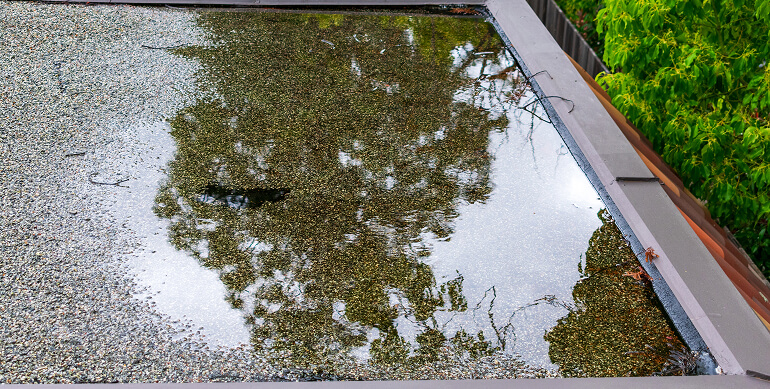
Flat and low-slope roofs are complicated, as their very design makes it harder to shed water. Because low-slope roofs depend on drainage systems, improper slope and drainage inspection can lead to ponding and damage. We carefully evaluate the roof deck and slope design before recommending a roofing system to prevent ponding and other water damage to the roof. In the event of sudden leakage or weather damage, Champion’s same-day response allows quick mobilization to quickly make repairs and prevent further damage.
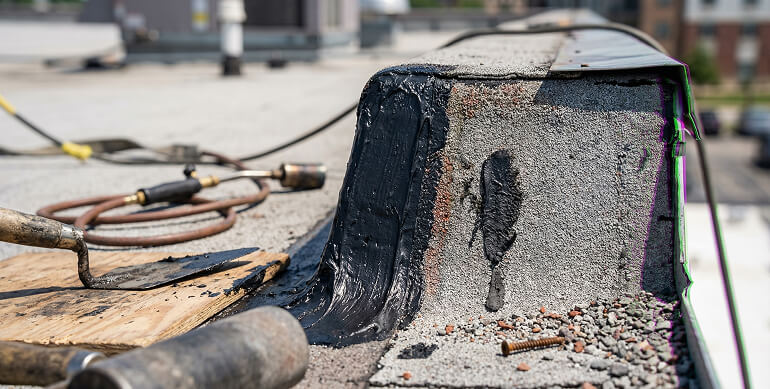
On single-ply roof membranes such as TPO roofing systems and PVC roofing systems, seam quality is critical. If they fail, water will quickly leak into the building, ruin insulation, and create unhealthy conditions. During installation, seams are heat-welded or chemically bonded then run through multiple tests to ensure leakage won’t become a problem.
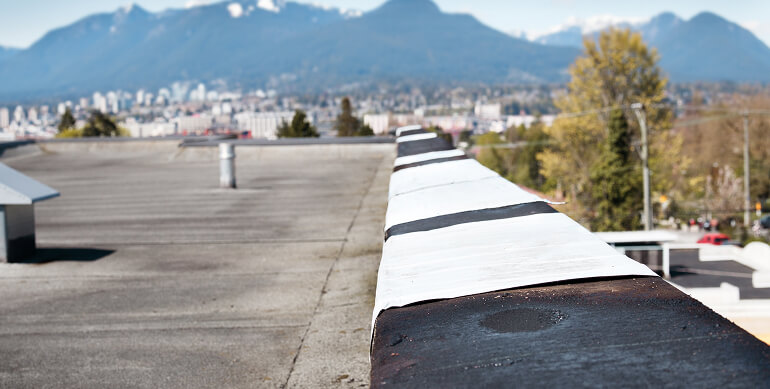
As long as the existing structure can handle it, many commercial roofing projects can be installed over an existing roof. This method reduces the cost of installation and speeds up the process. When done incorrectly or rushed, it can lead to long-term damage, improper protection against leaks, and expensive warranty issues. Champion evaluates insulation moisture, deck integrity, and manufacturer compatibility before recommending overlays to ensure the new system can integrate properly and qualifies for long-term warranty protection.
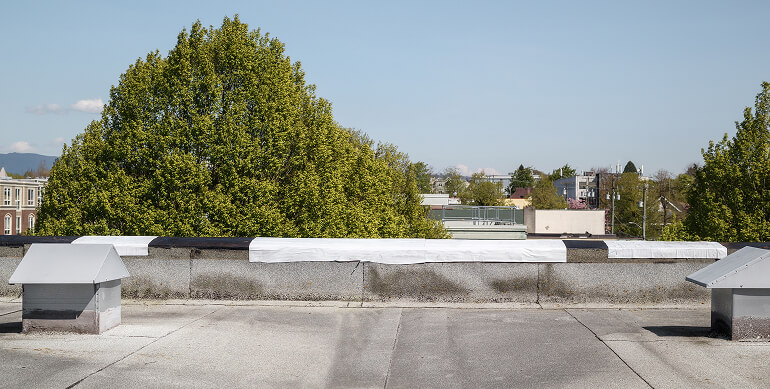
Some commercial buildings combine flat roof sections with steep-slope systems. This creates valleys where water intrusion is more likely to occur. To combat this, Champion installs proper flashing between the two, ensuring the roofing systems smoothly transition and function together without water penetration and damage.
| System Type | Lifespan | Maintenance Needs | Installation Costs | Best For |
|---|---|---|---|---|
| Flat & Low-Slope Roofing | 20-30+ years | Moderate | Moderate | Large commercial buildings |
| Metal Roofs | 40+ years | Low | Higher upfront | Long-span structures |
| Steep-Slope Systems | 20-50 years | Low-Moderate | Moderate | Architectural designs |
| Built-Up Roofing | 20-30 years | Moderate-High | Moderate-High | Layered flat roof assemblies |
No, they typically have a slight pitch to allow drainage, but appear level compared to steep-slope systems.
Common systems include TPO roofing systems, PVC roofing systems, EPDM roofing, modified bitumen, and built-up roofing.
No, EPDM roofing typically uses adhesive seams, while TPO and PVC systems are heat-welded. Some systems are also self-adhered.
Metal roofs rely on panel construction and pitch, while flat roofs rely on continuous roof membranes. It is important to note that some types of metal roofs are suitable for low-slope applications.
Yes. Many apartment buildings and commercial buildings use flat roof assemblies.
Yes. Flat roof assemblies are often used to support vegetative roof systems.
Yes. Regular inspection of roof membranes and drainage components is necessary, but they’re generally low-maintenance.
Schedule a consultation with Champion to evaluate whether flat roofing is right for your property, and discuss the next steps with a provider who always provides the results we say we will.
"*" indicates required fields


