24/7 Emergency Support - Call Now

24/7 Emergency Support - Call Now
Proven single-ply roofing systems designed for efficient coverage across commercial low-slope buildings nationwide.
Single-ply membrane roofing is popular in the commercial roofing industry because it efficiently covers large low-slope roofs and provides predictable performance against various conditions. Sheets are rolled out, secured to the roof deck, and seams are either heat-welded or bonded, depending on the material.
For many commercial property managers, the appeal is clear: fewer layers, lighter weight, improved energy efficiency, and a roofing system that adapts well to insulation upgrades and modern building requirements.

What We Offer
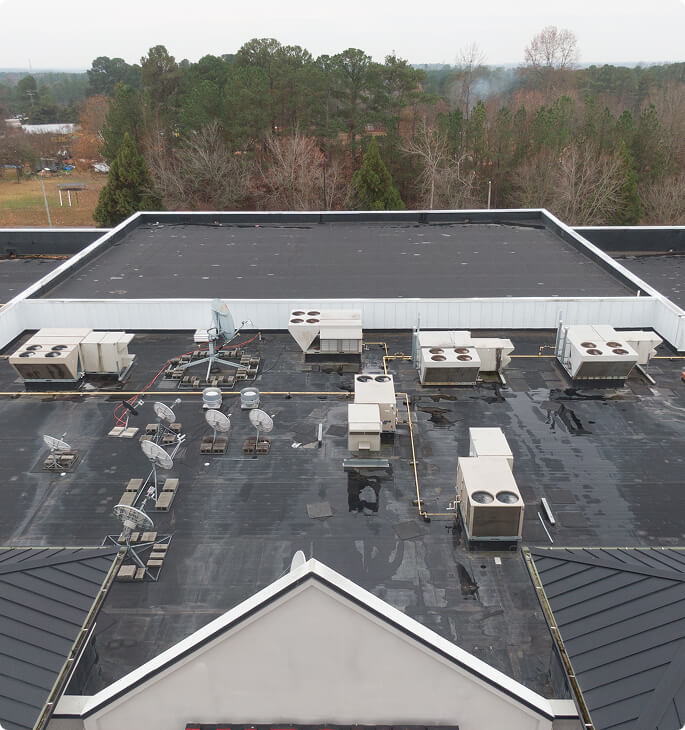
Champion installs commercial single-ply membrane roofing across new construction and re-roof projects. We work with TPO roofing systems, EPDM roofing systems, and PVC membranes. Selection depends on building use, exposure conditions, and code requirements rather than trends in the commercial roofing market. Our installations are standardized across multi-property portfolios and backed by long-term warranties to ensure results last.
TPO roofing systems are common on low-slope roofs in the commercial roofing industry. These single-ply roofing membranes are made of durable material resistant to punctures and weathering. The seams are typically heat-welded, creating continuous bonds between sheets. TPO is frequently selected for its reflectivity and compatibility with modern insulation packages, improving the building’s overall energy efficiency.
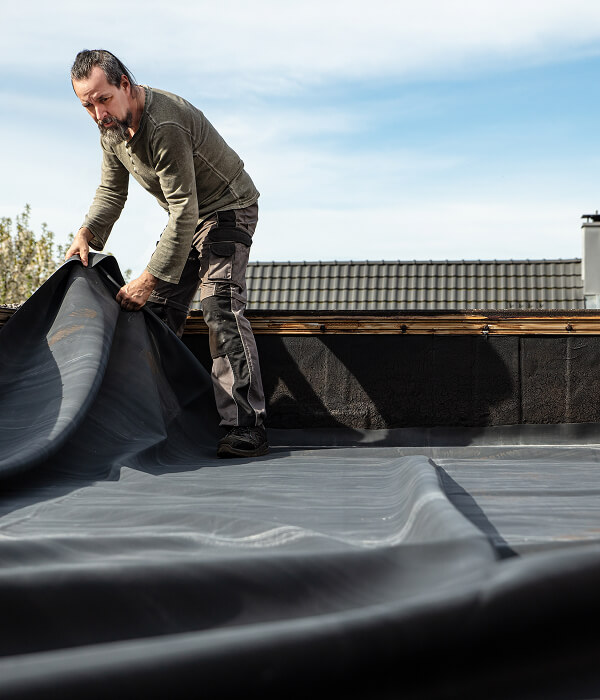
PVC membranes are made from polyvinyl chloride and are known for chemical resistance. PVC roofing material is often used on facilities with heavy grease exhaust or industrial exposure, as other materials exposed to these elements may deteriorate quickly. Seams are heat-welded, which reduces separation risk over time. PVC roofs can reflect sunlight to improve efficiency and keep heat away from the roof.
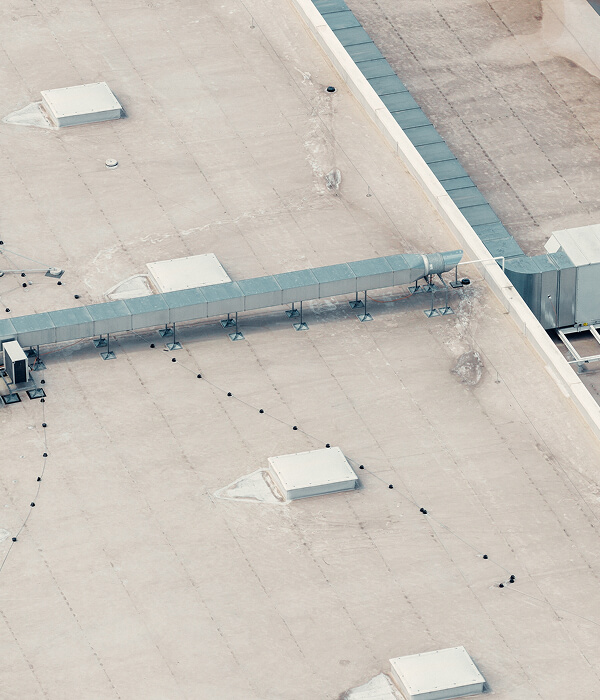
EPDM roofing systems use ethylene propylene diene monomer rubber. Unlike PVC membranes or TPO roofing systems, EPDM seams are typically adhered rather than heat-welded. These single-ply membranes handle temperature swings well and are common on large commercial single-ply membrane roofs where flexibility is a priority.
Learn More 
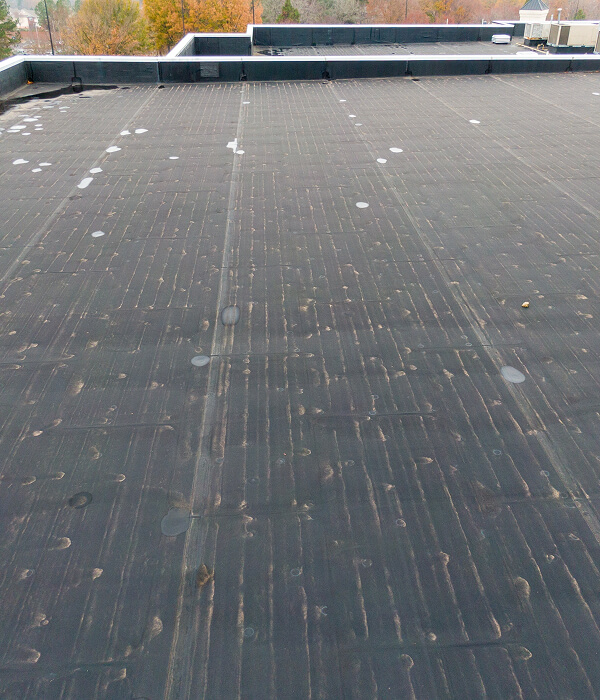
Single-ply membrane roofs are placed faster than many layered roofing systems. Maneuvering and laying out the single-ply materials is easier than heavier systems, and large sheets result in fewer seams and passes across the roof surface, leading to lower overall installation costs. Quicker installation can reduce operational disruptions and provide an efficient turnaround after a weather crisis.

In the commercial roofing market, single-ply roofing systems are familiar territory. Details at curbs, drains, and penetrations are standardized and repeatable, ensuring that systems are installed correctly and easy to service if an issue arises. This allows for less long-term maintenance variability among properties.

Low-slope roofs demand seam reliability to avoid water damage, uplift, and other hazards when faced with unexpected weather conditions. Heat-welded seams in PVC membranes and TPO roofing systems create consistent bonds along the sheet edges, while EPDM’s flexibility ensures the building can handle temperature swings. The reflective quality of many single-ply roofs improves energy efficiency and keeps roofs cool in hot climates.

Compared to some built-up roofing systems, single-ply membranes are considerably lighter. BURs require multiple layers, heavy asphalt adhesive, and even gravel to embed for abrasion protection. Older buildings may not be able to sustain this weight, making a single-ply system a better choice.

There are several ways to install a single-ply roofing system on a commercial building. Commercial single-ply membrane roofing can be fully adhered, mechanically attached, or ballasted, depending on building codes and wind exposure. Analyzing different building facts and owner requirements can help create an installation and maintenance plan that works for the property’s needs and functions.

It may not always be possible to remove existing systems when installing a new roofing system. Luckily, single-ply roofing membranes integrate well with insulation retrofits and other roofing system components used in the commercial roofing industry. The existing roofing system may be able to remain in place, lowering installation time and cost.


Warehouses, retail centers, healthcare facilities, schools, and manufacturing buildings frequently use commercial single-ply membrane roofs. They’re affordable, quick to install, and can help meet building efficiency goals. These roofing systems perform well on large low-slope roofs where consistent seam quality matters.
Buildings with large surface areas benefit from single-ply roofing’s simple installation, while retail centers and multi-family property may appreciate the reduced roof heat. Within the commercial roofing market, single-ply roofing systems remain one of the most specified commercial roofing systems for both replacement and new construction.
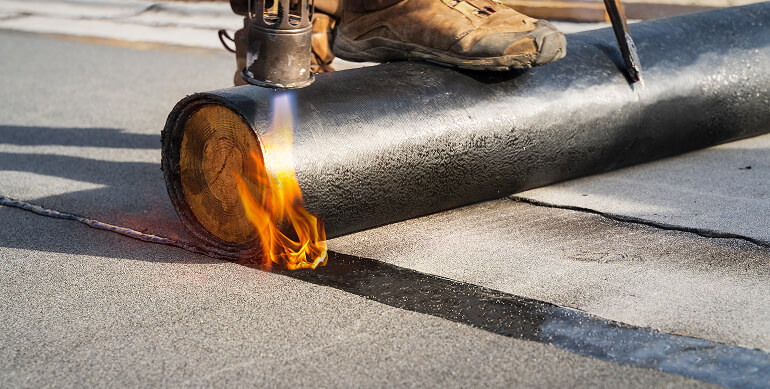
On heat-welded systems, seam quality is critical in performance and durability. Poor welding will inevitably fail, leading to leaks, damage, and operational disruptions. Champion extensively tests welds and confirms bond strength during the installation of single-ply membrane roofs, reducing the risk of leaks or other damage after storms or other weather events.

Different roof deck types require different attachment methods. Adhered, mechanically fastened, or ballasted systems are selected based on structure and building codes. An inexperienced company may affix your roof with the wrong method, which will result in long-term damage and expensive repairs. Our expert design teams carefully select the right material and attachment method for the building, helping project owners make more informed decisions.
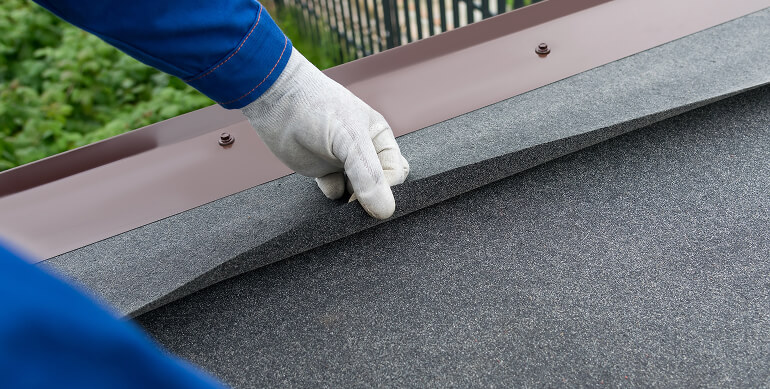
Not all types of single-ply perform the same. PVC membranes, EPDM roofing systems, and TPO roofing systems respond differently to chemical, temperature, and UV exposure. We walk building owners through different materials, compare benefits and uses, and select the best fit for their budget, needs, and application.
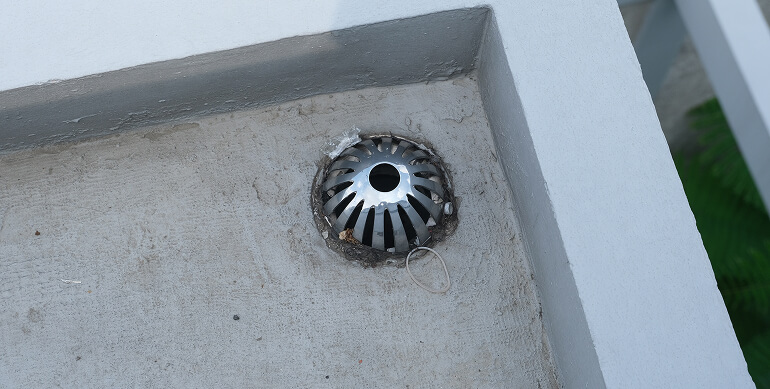
When water is unable to drain properly, a single-ply roofing membrane can undergo serious structural damage, lowering its lifespan. Single-ply roofing membranes perform best when water has a clear path away from the roof surface instead of ponding and adding stress to the material. We review slope and drainage systems before finalizing the roofing system design to ensure the roof performs its best.
| System Type | Lifespan | Maintenance Needs | Installation Costs | Best For |
|---|---|---|---|---|
| Single-Ply Membrane Roofing | 20-30+ years | Low | Moderate | Large low-slope commercial roofs |
| Modified Bitumen | 20-25 years | Moderate | Moderate | Multi-layer durability |
| Built-Up Roofing | 20-30 years | Moderate-High | Moderate-High | Redundant protection |
| Metal Roofing | 40+ years | Low | Higher upfront | Long-term durability |
Most systems use TPO, PVC (polyvinyl chloride), or EPDM (ethylene propylene diene monomer).
TPO roofing systems and PVC membranes are heat-welded. EPDM roofing systems typically use adhesive or seam tape.
Yes. They are widely used on low-slope and flat roofs across the commercial roofing industry.
Many perform for 20 to 30 years when installed correctly and maintained.
Yes. Compared to many traditional roofing systems, single-ply roofs are lightweight and easy to install.
The main types of single-ply include TPO, PVC membranes, and EPDM roofing systems.
They emphasize efficiency and seam performance over layered redundancy.
Champion evaluates roof deck condition, slope, and exposure to determine the right single-ply membrane roofing system for your property.
"*" indicates required fields


